A goulash is onions, paprika, beef and time, and of those four ingredients the last is the only one you cannot buy. That is the whole reason it so often goes wrong.
Why dishes like this became classics in the first place is the subject of what makes a classic a classic; this piece is about the process itself.
The onions are not an ingredient, they are the sauce
The first surprise for anyone cooking a goulash for the first time: the weight of onion is not half the weight of meat, it is roughly the same. A kilo of beef, a kilo of onions. It sounds like too much and it is not.
The reason is simple. A goulash has no thickener. There is no roux, no starch, no cream. What makes the sauce is onions and nothing else — onions cooked until they have stopped being onions.
So the browning is the real beginning. The onions have to go golden brown, slowly and without hurry, and it takes longer than anyone expects: twenty minutes is normal. Leave them pale and you get a goulash that tastes of boiled onion. Burn them and you get one that is bitter and stays bitter.
Paprika cannot take heat
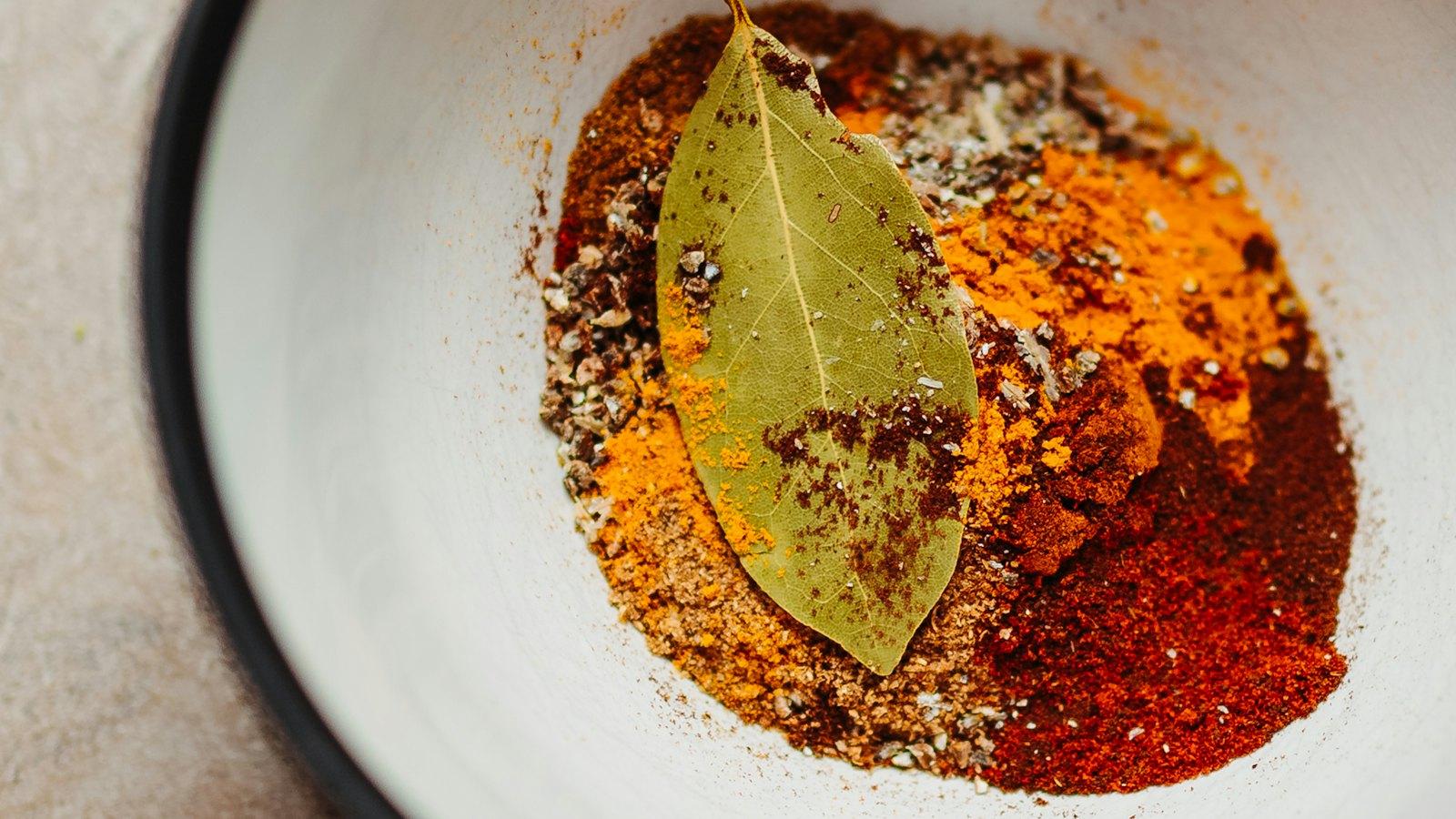
The second critical moment lasts thirty seconds. The paprika goes in once the onions are browned, and the pot comes off the heat first.
Paprika contains sugar. In hot fat that sugar turns bitter within seconds, and nothing repairs it afterwards — not longer cooking, not acidity, not salt. It is the single most common mistake, and you can still taste it three hours later.
The right way: pot off the flame, stir the paprika in, deglaze with liquid immediately. What else the spice does is in paprika, caraway, marjoram.
What happens during the hours
Now comes the part that cannot be rushed. The beef — shin, shoulder, leg, the cuts with connective tissue in them — turns tender just below simmering point.
Connective tissue is collagen, and collagen dissolves into gelatine, but only from about 70°C and then very slowly. That gelatine is what gives a goulash the body no flour-thickened sauce ever has. It is also why a lean cut is useless here: with no connective tissue it simply goes dry.
More heat does not help, it harms. Boil a goulash hard and the muscle protein contracts and squeezes out water before the collagen has had a chance to soften. The result is tough and stringy at the same time — meat that was boiled rather than braised.
Why it is better the next day
This is not kitchen folklore. Overnight, the dissolved compounds distribute evenly through the liquid, the fat sets on top and can be lifted off, and the meat draws some of the sauce back into itself.
In practice it means a goulash is a dish you plan. It is not something that starts at half past six because somebody asked for it. That is exactly what makes it valuable in a kitchen: it is finished when the evening begins, and it does not get worse while it waits.
The same patience sits behind every braise, and it is why such dishes get called heavy when they are not — the difference is in heavy is not the same as filling.
How to recognise a good one
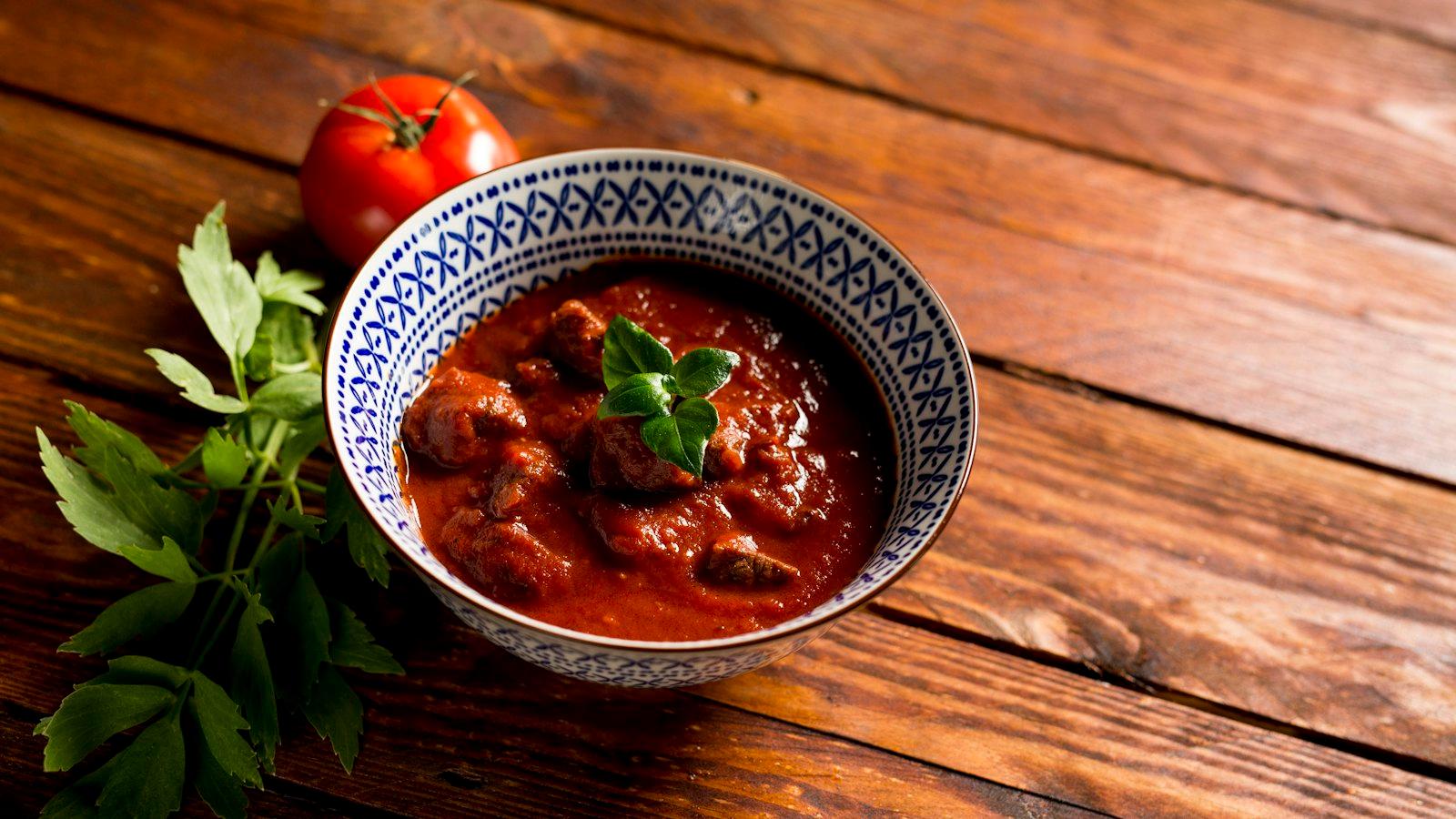
The sauce has a shine without being greasy, and a colour between rust and brown — not orange, which means too much paprika and too little onion. It runs off the spoon rather than dripping.
And the meat parts under a spoon without falling apart on its own. Disintegrating meat is not the goal; it is a sign that it went too long or too hot.
In Vienna there is also the question of which goulash is meant. A Fiakergulasch arrives under a fried egg, a sausage and a pickled gherkin; a Saftgulasch comes with nothing at all and lives entirely on its sauce. They are the same dish making different demands of the rest of the plate.
One last thing worth saying plainly: a goulash is not a stew with paprika in it. The onion, the gentle heat and the absence of any thickener are what make it the dish it is. Take any one of the three away and you have cooked something else.
Book a table if you would rather have the short version than the three-hour one.