"Organic", "biodynamic", "natural" and "orange" sit side by side on wine lists as though they were degrees of the same thing. They are not. Two of them are regulated and two are not.
Why this comes up so often on an Austrian list is in our guide to Austrian wine.
Organic is regulated
Organic viticulture is defined in EU law and inspected. In the vineyard it means no synthetic pesticides, no herbicides, no synthetic fertiliser. In the cellar it means, among other things, considerably less sulphur than conventional wine and a shorter list of permitted additions.
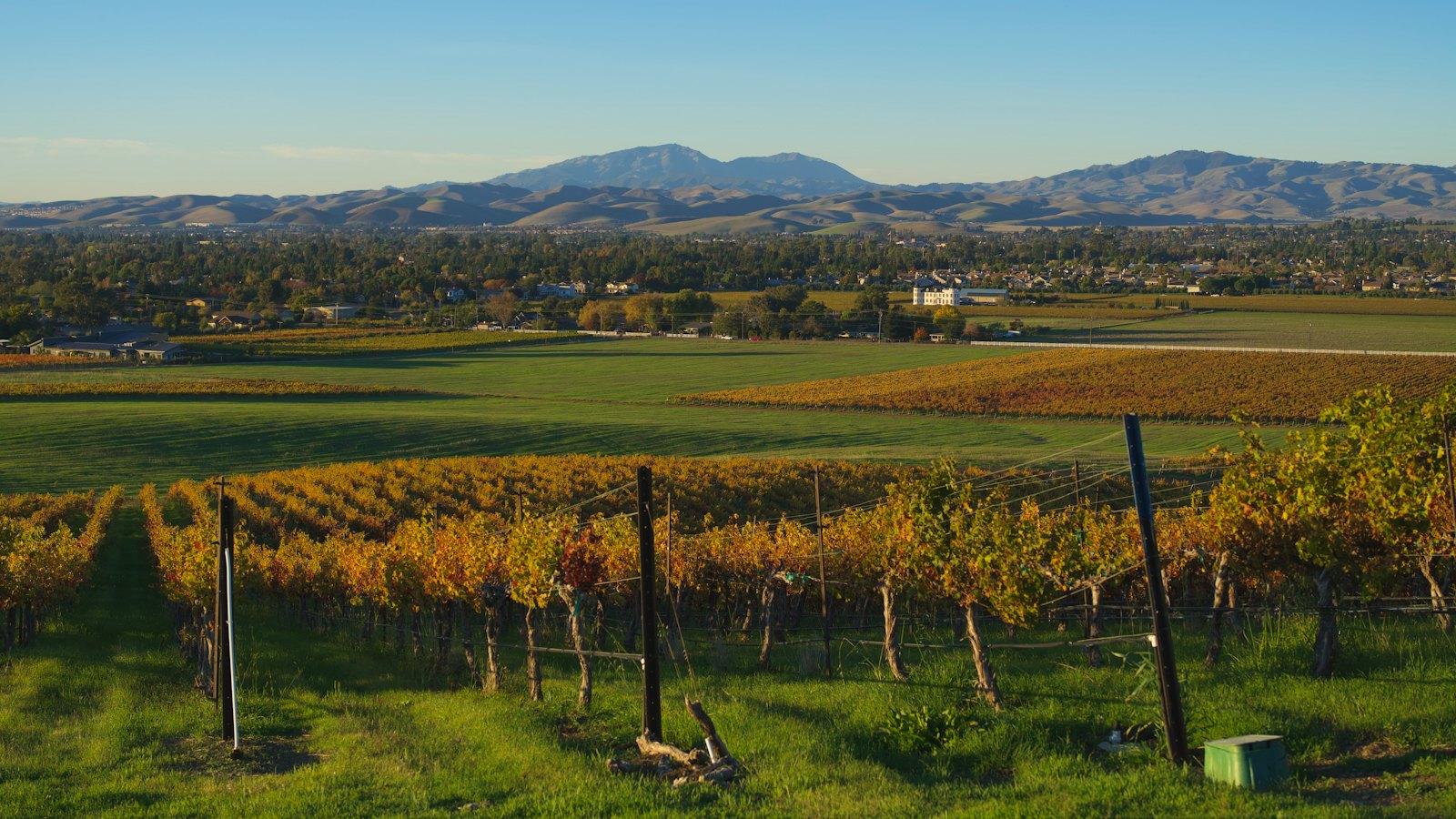
Austria is conspicuously far ahead internationally: around a quarter of the vineyard area is certified organic, a proportion almost no other country reaches. There is a practical reason — many estates are small and family-run, and ten hectares can be worked differently from a thousand.
For a wine list that means organic is not a distinction here but often simply what there is. It is the same point we make about buying for the kitchen — set out in two kitchens, one shopping list.
Biodynamic goes further
Biodynamics is also certifiable (Demeter, respekt-BIODYN) and builds on organic farming, adding preparations and work timed to a lunar calendar.
Whether the calendar does anything is disputed and hard to demonstrate. What is not disputed is that biodynamic estates generally work very precisely, crop small yields and intervene little in the cellar — and that is tasteable regardless of which part causes it.
Natural wine is not a protected term
Here the regulation stops. "Natural wine" has no legal definition; it is a stance: add as little as possible and remove as little as possible. In practice that means spontaneous fermentation with the yeasts already on the grapes, no fining, no filtration, and very little or no sulphur.
The result is less predictable than conventional wine. Natural wines are often cloudy, sometimes faintly fizzy, and they occasionally taste of things that would count as faults in a classical wine — must, cider, yeast. People who like it find a liveliness other wines lack. People who do not find the wine broken. Both positions are reasonable.
Without sulphur, wine is also more fragile: it handles warmth badly and lasts less well once opened. For a restaurant that is a real constraint, particularly by the glass — wine by the glass, and why it is honest goes into it.
Vegan is a separate question again
Wine contains no animal ingredients but can be fined with animal products — egg white, gelatine, isinglass from fish bladders. These bind the solids and are then removed, so they are not present in the finished wine.
A wine treated that way still does not count as vegan. Anyone who cares will find it stated on the back label, and unfined wines almost always qualify anyway.
Orange is a method, not a philosophy
The most misunderstood term. Orange wine is white wine made like red: the must stays on the skins, often for weeks. That is where the colour, the tannin and the structure come from.
It has nothing inherently to do with organic or natural — an orange wine can be made conventionally. In practice the groups overlap, because the same growers tend to do both.
In flavour: tannic, bitter-edged, often with dried fruit and black tea. Orange wine suits things classical whites fail against — heavily spiced food, hard cheese, anything with roasted notes.
What sulphur actually does
The term most misunderstandings gather around. Sulphur dioxide has been added for centuries and does two things: it binds oxygen and inhibits unwanted micro-organisms. Without it wine oxidises faster and can develop unpredictably in the glass or the bottle.
"No added sulphites" also does not mean sulphur-free: fermentation produces sulphur dioxide naturally, in small amounts. A wine with none at all is barely possible.
The headaches often blamed on sulphur are a persistent myth. Dried fruit contains many times as much. Histamines, tannins and simply the quantity consumed are the likelier culprits.
What to go by
The most useful clue is not the label but the question of who made the wine and how large the estate is. A small producer putting their own name on the bottle almost always works more carefully than an anonymous bottling, certified or not.
Book a table and simply ask.