A drink is smelled before it is tasted, and held before it is smelled. Both depend on the glass, and both happen before anything to do with the contents.
Why details like this make the difference at a bar is in our guide to the bar.
The stem has a purpose
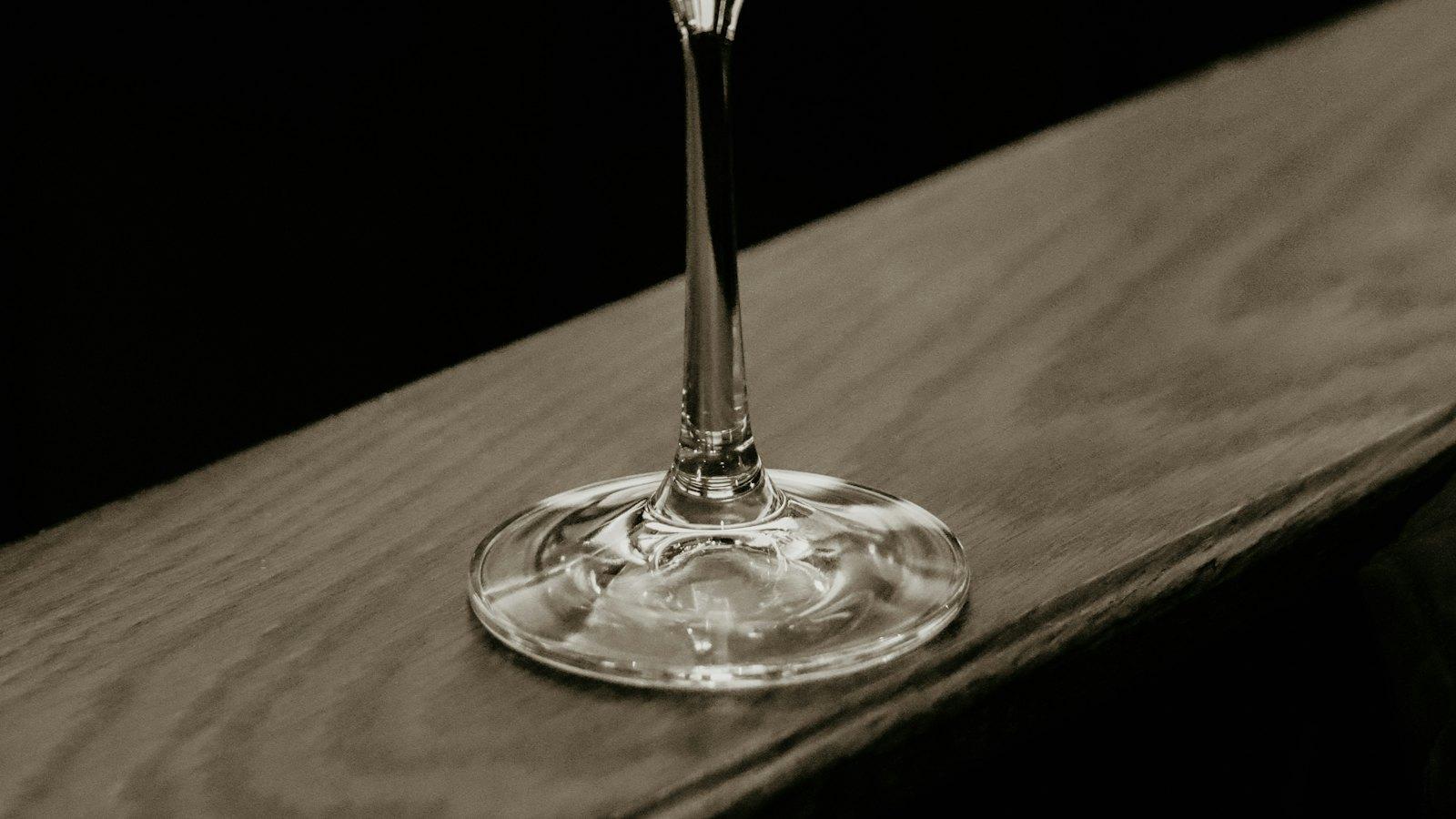
A cocktail served without ice — a martini, a daiquiri, anything served "straight up" — goes in a stemmed glass, because otherwise the hand warms the drink. A palm runs at about thirty-five degrees and a chilled drink at about four, and the gap closes quickly.
A stem solves that by separating the contact from the contents. So the stem is not ornament but the only way to keep an iceless drink cold for ten minutes.
Conversely, a drink on ice needs no stem: the ice does the chilling, and a tumbler sits better in the hand.
The shape steers the smell
A wide, open glass — a coupe — lets the volatile aromas escape quickly and reach the nose broadly. That suits drinks living on freshness and citrus which get drunk fairly quickly anyway.
A narrow glass — a flute, a tulip — gathers the same aromas and holds them longer. That suits anything carbonated, because the narrow opening also preserves the bubbles.
A bulb with a narrower rim collects the aromas above the liquid and releases them concentrated. It is the reason for the shape of a wine glass and of a brandy balloon.
Which glass belongs to which drink is therefore not a convention but a consequence — exactly as, with food, the question of what stands beside which classic is handled in dumplings, potato salad and the rest of the plate.
Pre-chilling is not a luxury
A room-temperature glass absorbs cold the moment it is filled, and with an iceless drink there is nothing to compensate. Two or three degrees go that way, and on a short drink that registers.
Two routes: the glass sits in the freezer, or it is filled with ice and a little water while the drink is mixed and tipped out at the last moment. The second takes exactly as long as the mixing does and therefore costs nothing.
For drinks on ice it matters less, but the principle holds: the warmer the glass, the more ice melts immediately, and the more the drink is diluted before anyone has drunk any of it — ice is an ingredient goes into that.
Thin rims, heavy bases
A thin rim feels better at the mouth and distracts less from the contents. A heavy base keeps the glass stable and helps with drinks stirred in the glass.
Both are perception rather than flavour — but with drinks, perception is a large part of the business. The same goes for colour: an amber drink in a clear glass reads as fuller than the same drink in a tinted one, which is why panela is visible as well as tasteable — described in panela: sugar that does more than sweeten.
The fill level says something too
A stemmed glass is not filled to the brim, for two reasons. A full glass cannot be carried without spilling, and it leaves no room for the aromas above the liquid.
Two thirds is the usual limit. Anyone wanting more takes a larger glass — not a fuller one.
Four glasses are enough
A bar does not need twelve shapes. Four cover practically everything, and holding more costs space, breakage and time in service.
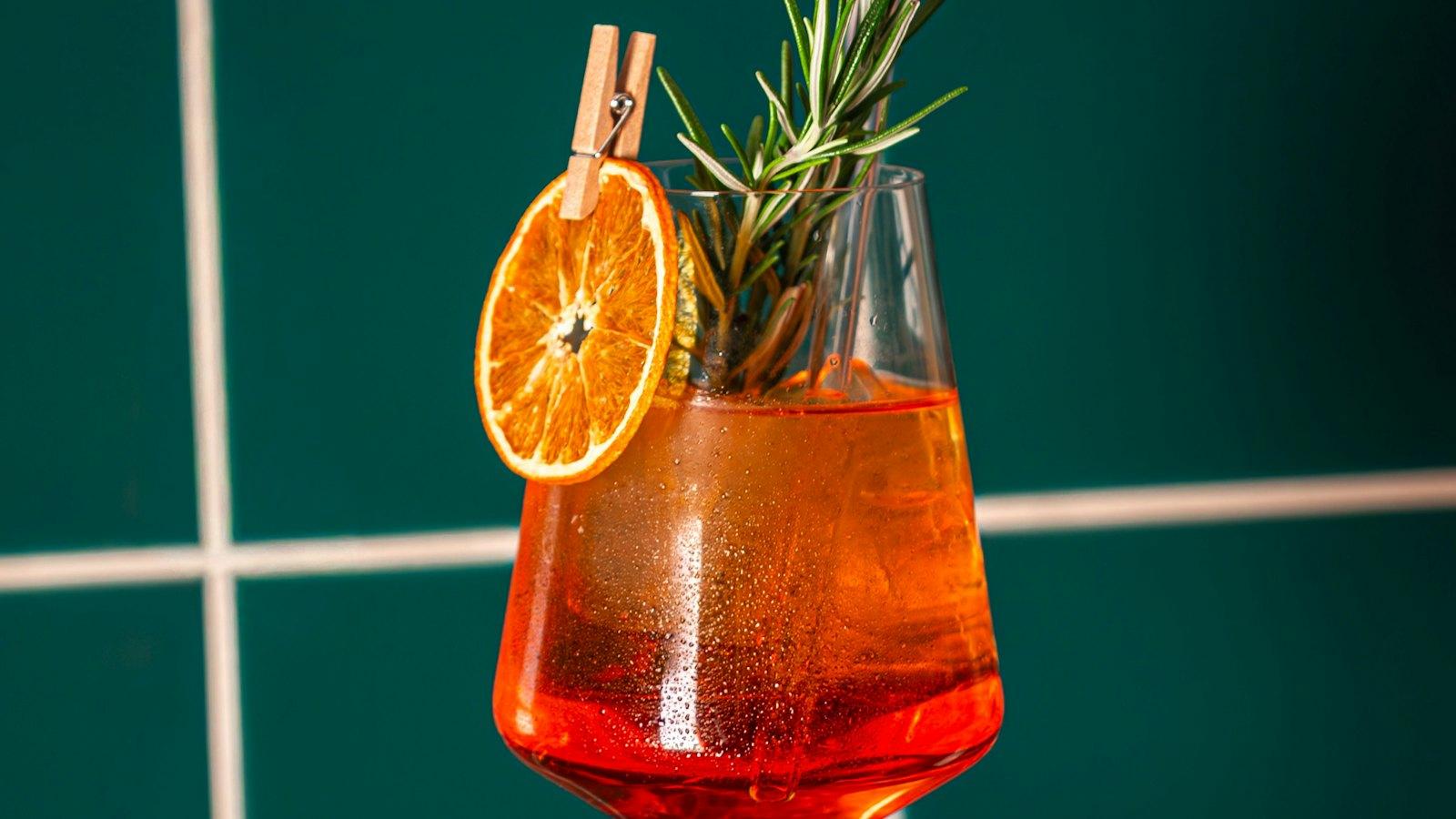
A stemmed glass for everything served without ice — a coupe or a Nick & Nora. A tumbler for everything on large cubes. A tall glass for anything lengthened with plenty of ice. And a wine glass that doubles for spritzes and vermouth.
The same reasoning as a short food menu or a short wine list: what is rarely needed takes up room and never gets done properly anyway.
Clean means free of smell
Glasses pick up smells, mostly from detergent residue and from tea towels. A glass that smells of washing-up liquid ruins any drink that depends on being smelled. So they are polished over steam, with a cloth kept for nothing else and changed often.
Book a table and hold the glass by the stem.