Nearly every cocktail needs sugar, and nearly everywhere it is sugar syrup — water and white sugar, boiled, nothing else. It sweetens and contributes nothing. Panela is the answer to what happens when the sugar itself brings something.
Why ingredients decide more than recipes at a bar is in our guide to the bar.
What panela is
Cane juice, pressed, boiled down and poured into moulds — that is the whole process. No refining, no centrifuge, no separation of sugar from molasses. What ends up in the block is everything that was in the juice.
That is precisely the difference from white sugar. White sugar is pure sucrose; everything else has been taken out. In panela the molasses stays, and with it minerals, organic acids and the aromas created during boiling.
In Latin America it is called panela, piloncillo, rapadura or chancaca depending on the country, and it is not a speciality product there but the ordinary sugar. In India, jaggery is the same principle.
What it does in a glass
Three things, all of them tasteable.
First, depth. The molasses brings notes towards caramel, dried fruit and liquorice — a sweetness with a floor under it rather than a flat one. Taste the same drink made once with syrup and once with panela and the first one seems thin.
Second, acidity. Panela is slightly acidic, and that acidity works with the citrus rather than against it. It is why a drink made with panela reads as less sweet than one with the same quantity of syrup.
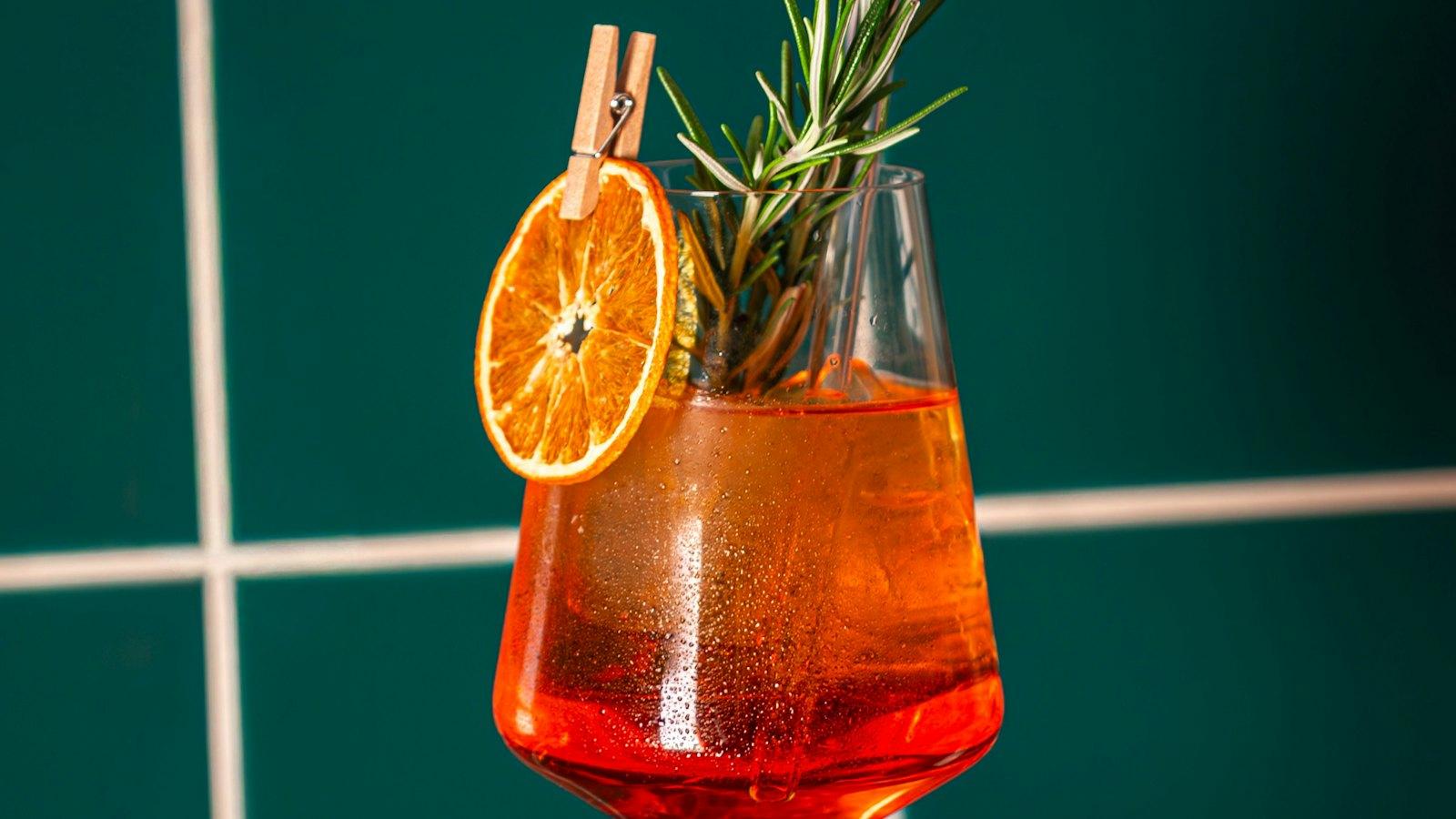
Third, colour. An amber tone instead of nothing, and that changes how a drink is perceived before it is tasted — the same effect described in the glass and the temperature.
How it is used
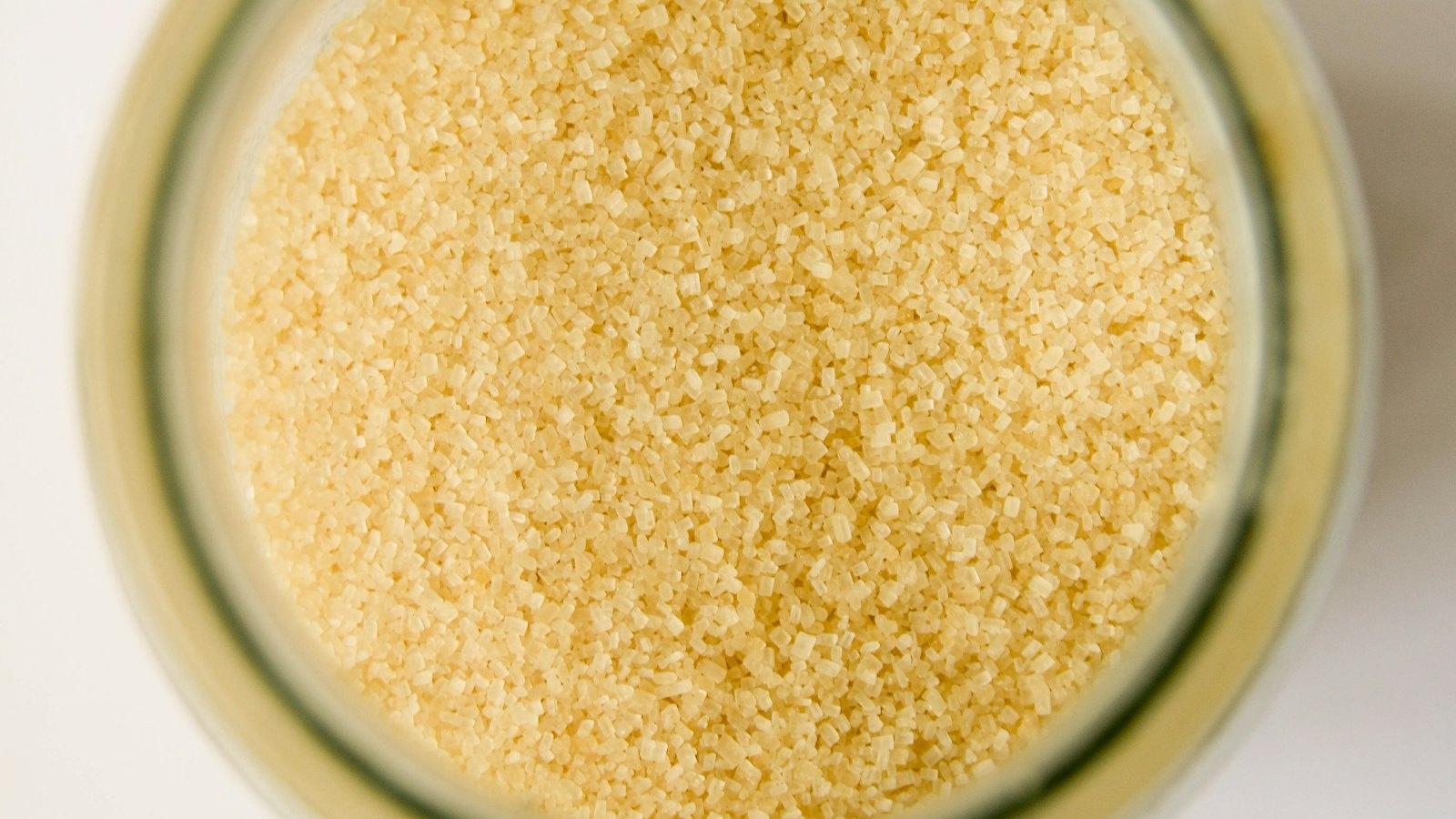
Panela comes as a hard block or as granules, and the block is the better buy because it ages more slowly. It gets grated or chopped.
For a bar it becomes a syrup: equal parts panela and hot water, stirred until dissolved, then cooled. Unlike white sugar, panela dissolves poorly in cold alcohol, which is why the syrup step is necessary — put it straight into a shaker and you end up with grit in the glass.
The syrup keeps about two weeks in a fridge. That makes it considerably more durable than fresh citrus juice, which is the real bottleneck behind any bar — citrus and acidity behind the bar goes into that.
It works in a kitchen too
Panela is not purely a bar product. In Latin America it goes into marinades, into braises and into anything wanting a dark, faintly sour sweetness — it behaves much as brown sugar does there, with more character.
Baking with it is harder, because it draws moisture and changes the ratios. Swap it one for one against white sugar and you get a denser, wetter result — sometimes better, often not what was expected.
It is most interesting where sweetness meets salt or acidity: in a glaze for a braise, in a marinade, in a dressing. That is the same arithmetic as everything else in this kitchen, where fat, starch and acidity have to balance.
Not only for alcohol
Panela is also behind our house lemonade, and there it shows even more plainly: without the rum it is no longer one of four ingredients but one of three. That is part of why the alcohol-free section of a list need not be worse than the rest — alcohol-free is not a consolation.
Where to buy it
Latin American and Asian grocers are the obvious answer, and the cheapest by some distance. It turns up as hard cones, as blocks or as loose granules, usually under whichever name that shop's customers use.
Stored dry and sealed it keeps for a year or more. A block gone rock hard is not spoiled, only dried out — grating solves it.
What it is not
Not a health product. Panela does contain traces of minerals that white sugar lacks, but in the quantities anyone drinks that is meaningless. It is sugar, and it gets used because it tastes better, not because it is better for you.
And it is not the same as supermarket brown sugar. That is usually refined white sugar with molasses added back — which is not the same thing as molasses that was never removed.
Book a table and taste the difference side by side.