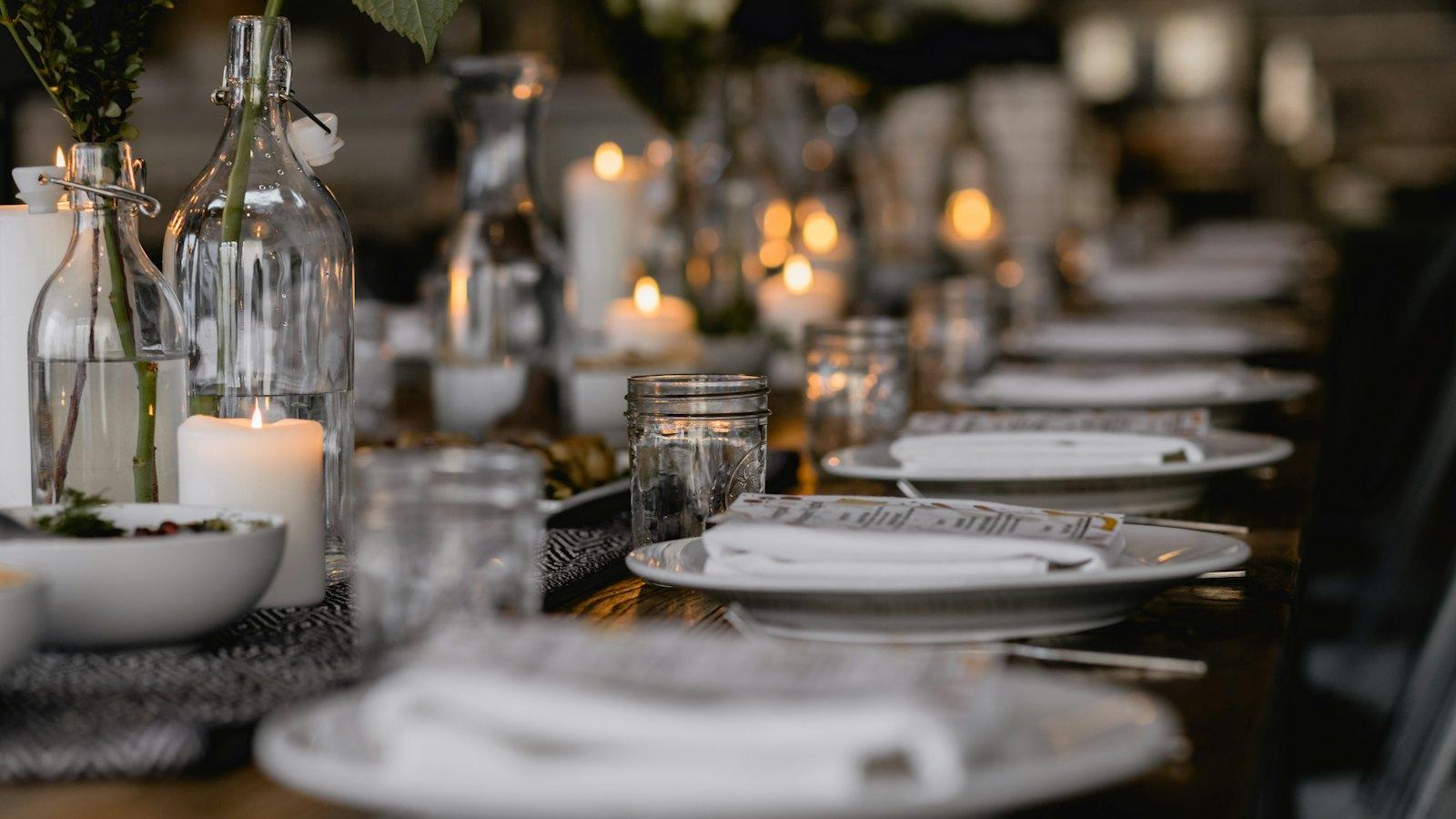
There are two ways to eat here and both are right. One: everybody orders their dish and keeps it. The other: the table orders together, everything lands in the middle, and by the end nobody is quite sure who ate what.
Because our menu sets two kitchens side by side — the subject of our guide to Austrian and Mediterranean cooking — both work. What helps is knowing which dish is built for which.
What is made for the middle
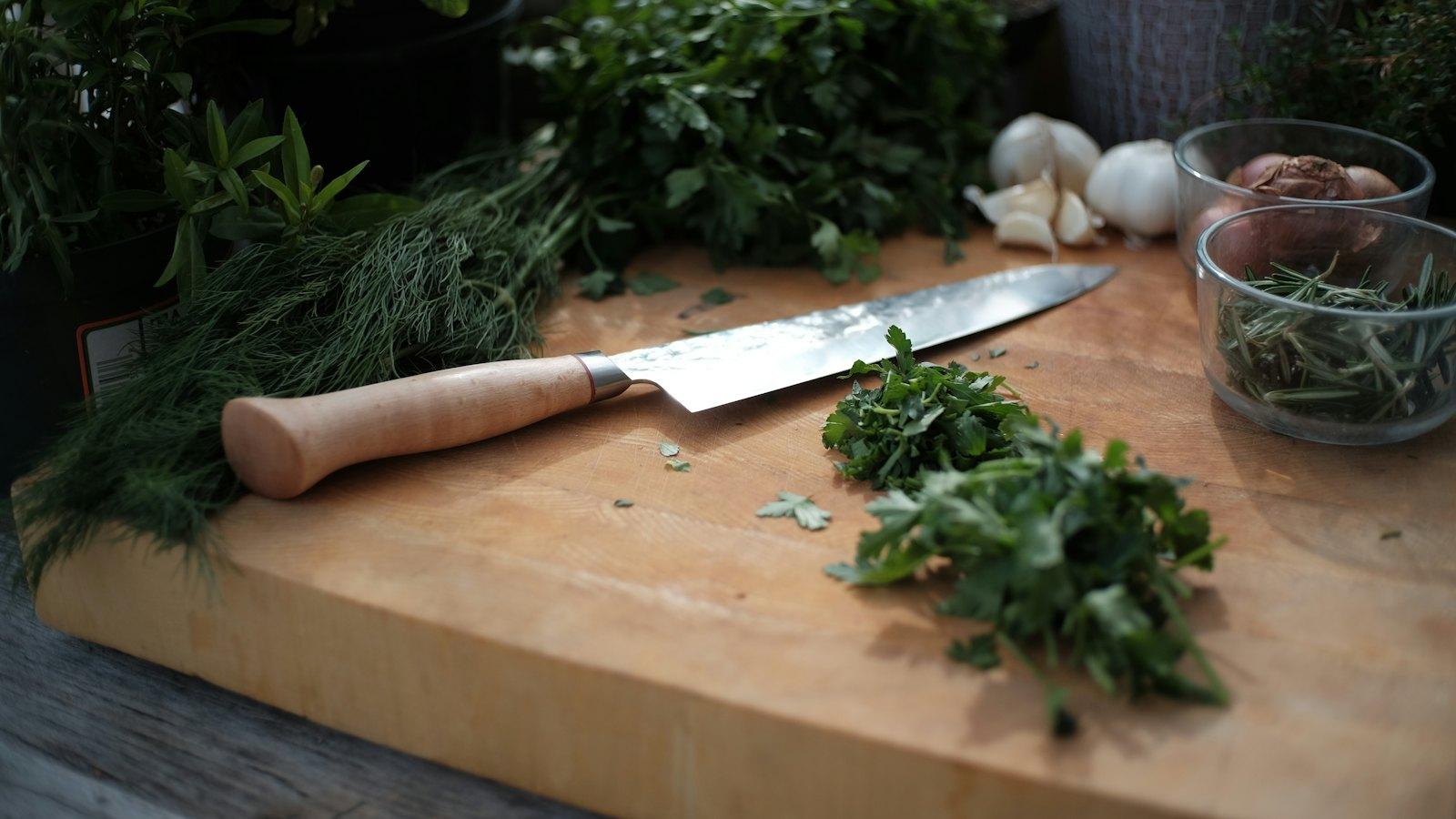
Anything that naturally belongs there: burrata with bread, bruschetta, beef tartare, pickled vegetables, olives. These plates are made to be taken apart. They do not go cold while people are talking, and they lose nothing by standing for twenty minutes.
Add anything that comes in more than one portion anyway: a risotto split between two, a bowl of potatoes, a second bread. And puddings. One Topfenstrudel with four forks is almost always the better decision than four Topfenstrudel.
What belongs on your own plate
A Wiener Schnitzel. That is not strictness, it is physics: the coating is at its best in the first few minutes, puffed away from the meat, dry and crisp, and it will not survive three trips across the table. Why that happens is in what actually matters in a Wiener Schnitzel.
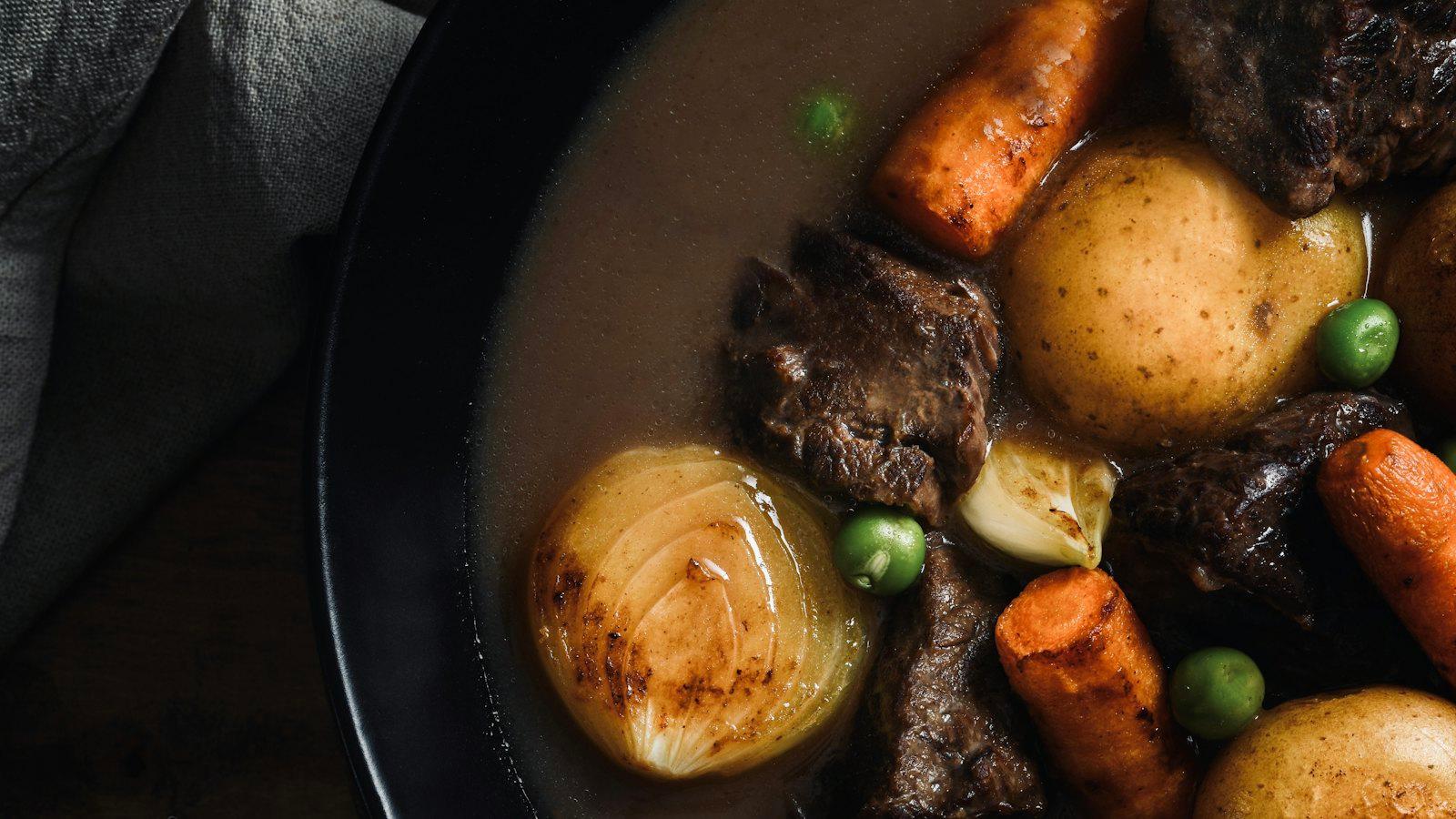
The same goes for pan-fried fish and for anything served with a sauce that belongs to the dish rather than to the table. Share those by offering somebody a forkful — not by putting them in the middle.
The order matters more than the quantity
The common mistake when ordering together is not too little food. It is all of it at once. Eight plates arriving together make the table too small, half of it goes lukewarm, and dinner turns into a task.
Order in two waves instead: first what belongs in the middle, with bread and something to drink. Then, once the table is ready for it, the main courses. It takes no longer overall, and it feels completely different.
Just say so. "Bring us the sharing plates first and the mains later" is an order, not a special request. That is what somebody is there for.
How much is enough
A rough sum that is rarely wrong: one main course per person, plus one sharing plate per two people. For four, that is two starters in the middle and four mains. Anyone still hungry orders again — that always works, and it beats leaving half of it behind.
Drinks belong to the same thought. A table that shares food usually drinks together too, and then one bottle is a simpler decision than six separate glasses. What happens behind our bar is in behind our bar.
When one table eats several ways
The common case is not the pure sharing table but the mixed one: two people share, one has their own dish, and somebody does not eat meat. None of that is a problem, as long as it is said while ordering rather than afterwards.
Anyone eating vegetarian will find more on the Mediterranean half, and find it as a dish rather than as a plate of sides. Vegetables as the point rather than the accompaniment is normal there, not an exception — a difference that becomes practical when sharing, because those plates go into the middle without being rebuilt.
Allergies and intolerances are best mentioned straight away. Not so we can work through a checklist, but so the kitchen can think along while the order is being put together, instead of striking a dish at the end.
The rest is timing
A sharing table is noticeable in the kitchen: eight small plates are more work than four large ones, and they have to be ready together. That is why they sometimes arrive two minutes later than a single dish would. It is not an oversight — it is the reason everything is hot at once.
For larger groups, one request: from about eight people, tell us beforehand. Not because of the space, but because of the kitchen — big tables eat better when we know they are coming.
In the end there is nothing to get wrong. Order what you feel like, and say how you want it. Book a table and we will sort out the rest when you are sitting down.