There is a moment when every menu has to be honest: when you have to explain it to someone. Ours takes one sentence. We cook what we grew up with, and what we came to love travelling, and we use the same good produce for both.
Why this is not a trend
Austrian food has a reputation for being heavy. That comes from the tavern cooking of the 1970s rather than from the food itself — why heavy is not the same as filling has a piece of its own. A schnitzel fried properly is not greasy; it is dry and light. A beef goulash needs nothing but onions, paprika, time and a good piece of meat.
What the Mediterranean adds is not some lightness that was missing before. It is a second way of seasoning: acidity, olive oil, fresh herbs, vegetables as the point rather than as a side. The two kitchens are not arguing. They answer the same question twice.
What the Alps give us
Salt, in our name, stands for Austria: for craft, for patience, and for dishes nobody needs to reinvent.
- The schnitzel. Veal, beaten thin, loosely crumbed, fried in plenty of fat so that the coating puffs. It is the kitchen's test piece, and what actually matters in a Wiener Schnitzel is written up separately.
- The braise. Beef that takes half a day and does not resent it.
- The pudding. Topfenstrudel, warm, with a trace of lemon.
What the south says back
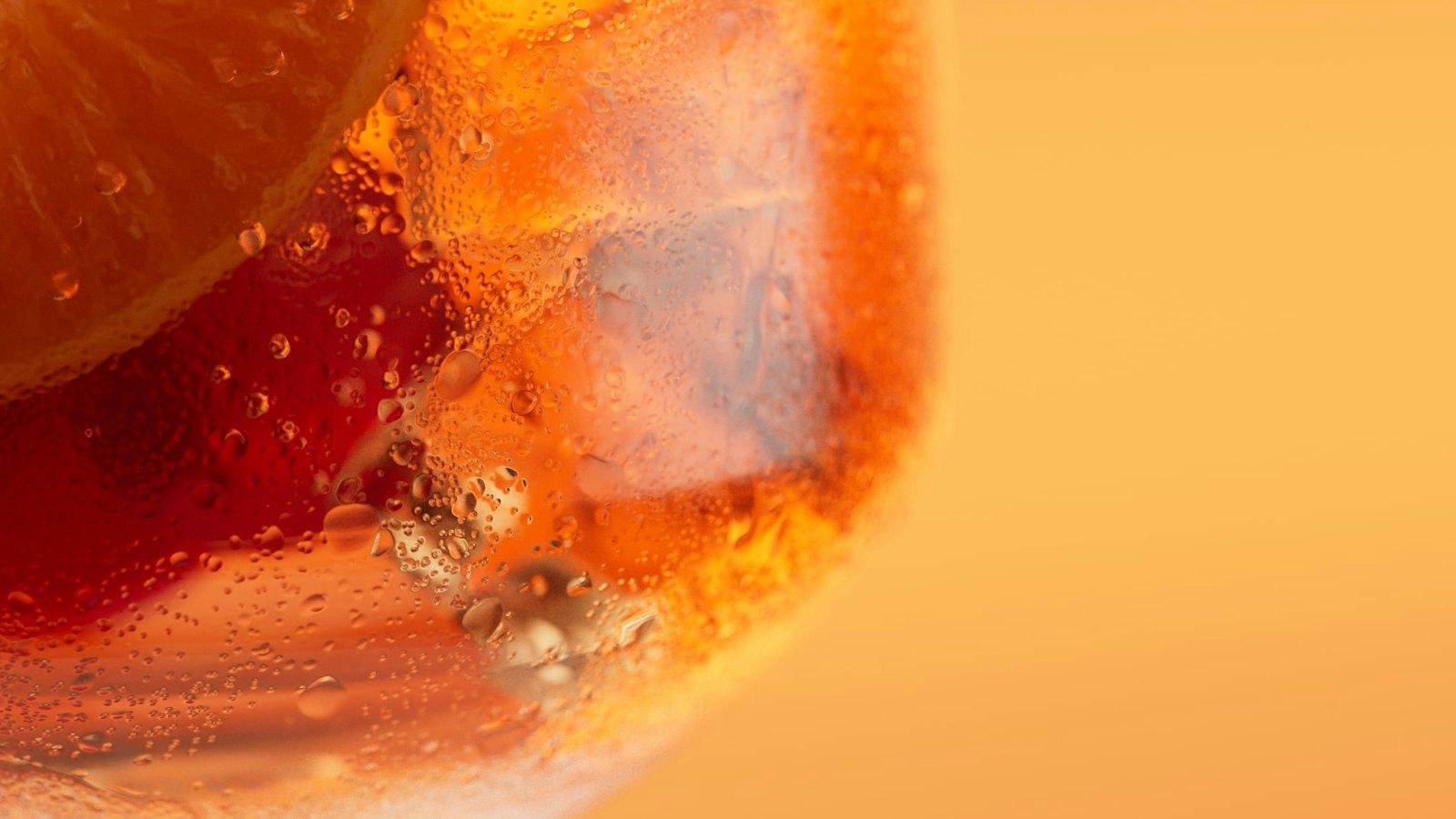
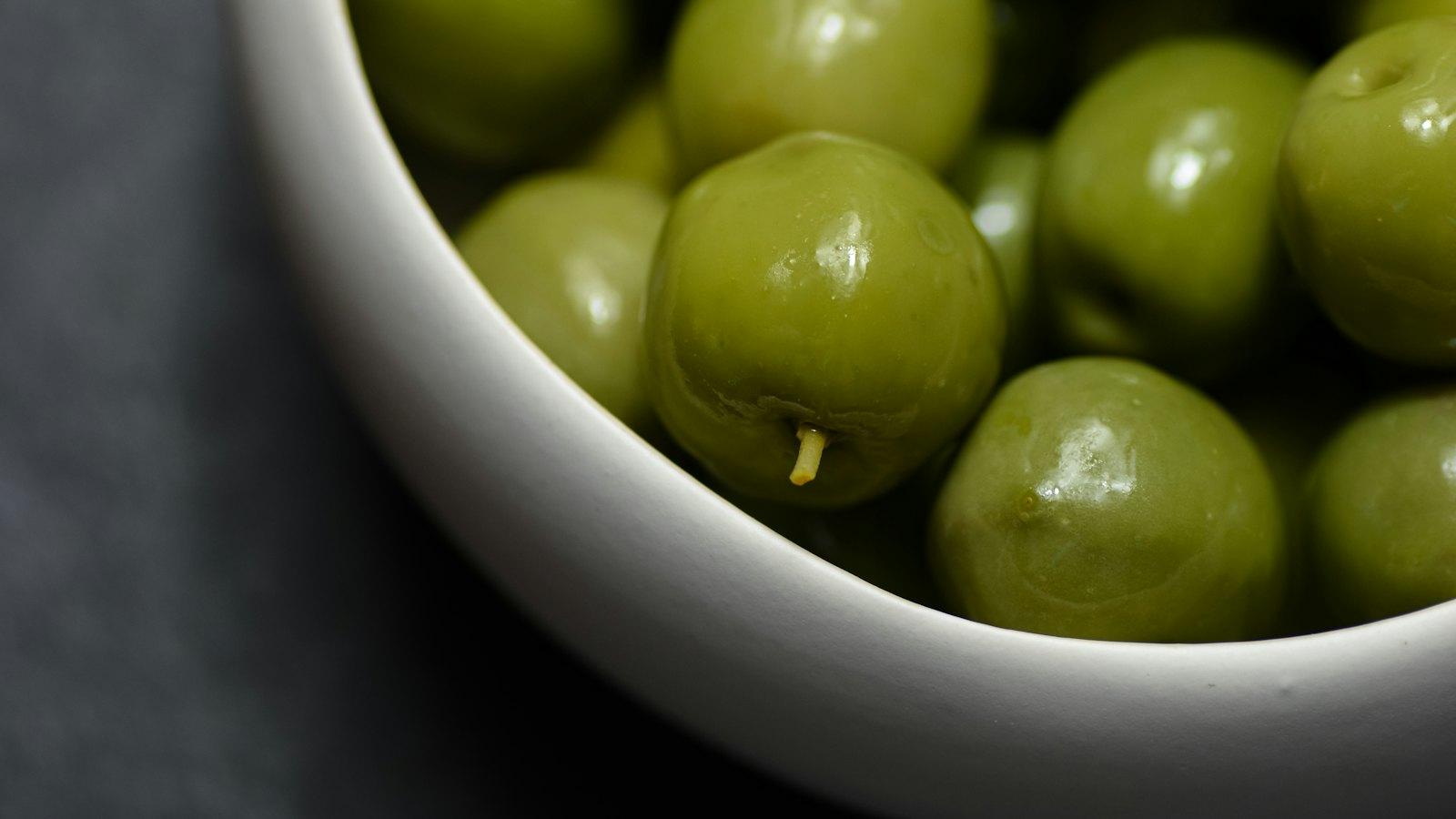
And sun stands for everything that comes from further away. Burrata with good tomatoes and good olive oil. Empanadas, tacos, panela in the lemonade and in the cocktail — what goes on behind our bar is the same idea in liquid form. This is not a fusion concept: we do not mix the two kitchens on one plate, we put them side by side on one menu, and what belongs on one menu and what does not comes down to a single question.
This is how we know an idea is a good one. If a dish needs both halves in order to work, it is usually one idea too many. If it comes from one half and looks good in the company of the other, it is right.
The season has a vote
None of it works unless the ingredients are right. That is why our menu follows the market rather than the other way round, and why the specials are written on a board instead of being printed: pumpkin for as long as pumpkin makes sense, asparagus for as long as there is asparagus. That this still amounts to two kitchens and one shopping list is less complicated than it sounds.
How to eat here
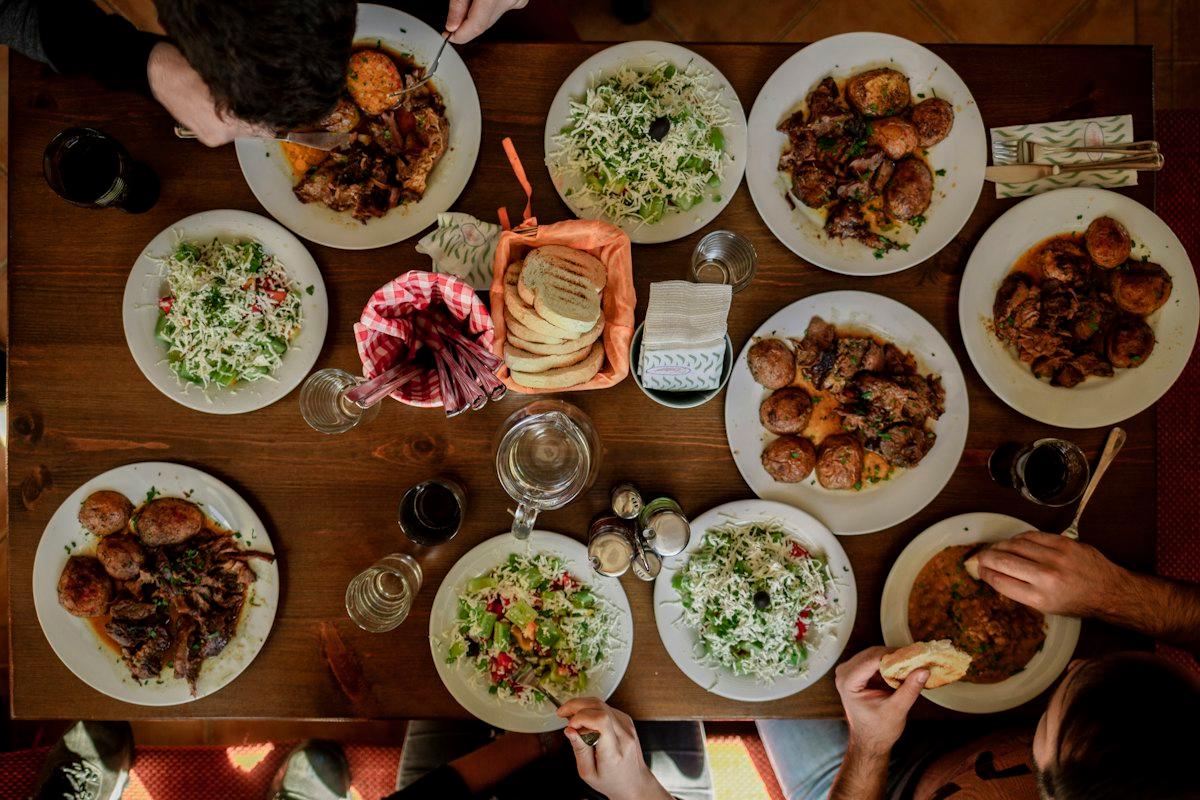
Both halves take both approaches: a plate to yourself, or everything in the middle and shared. Which dish suits which is in sharing, or not — a schnitzel, for good reasons, belongs on your own plate.
Book a table and the rest explains itself.