The lunch menu is the cheapest way to eat well in Vienna and at the same time the best way to get to know a restaurant you might not choose in the evening. That it works at all is a matter of arithmetic rather than generosity.
What else goes with it is in our guide to eating out in Vienna.
What it looks like
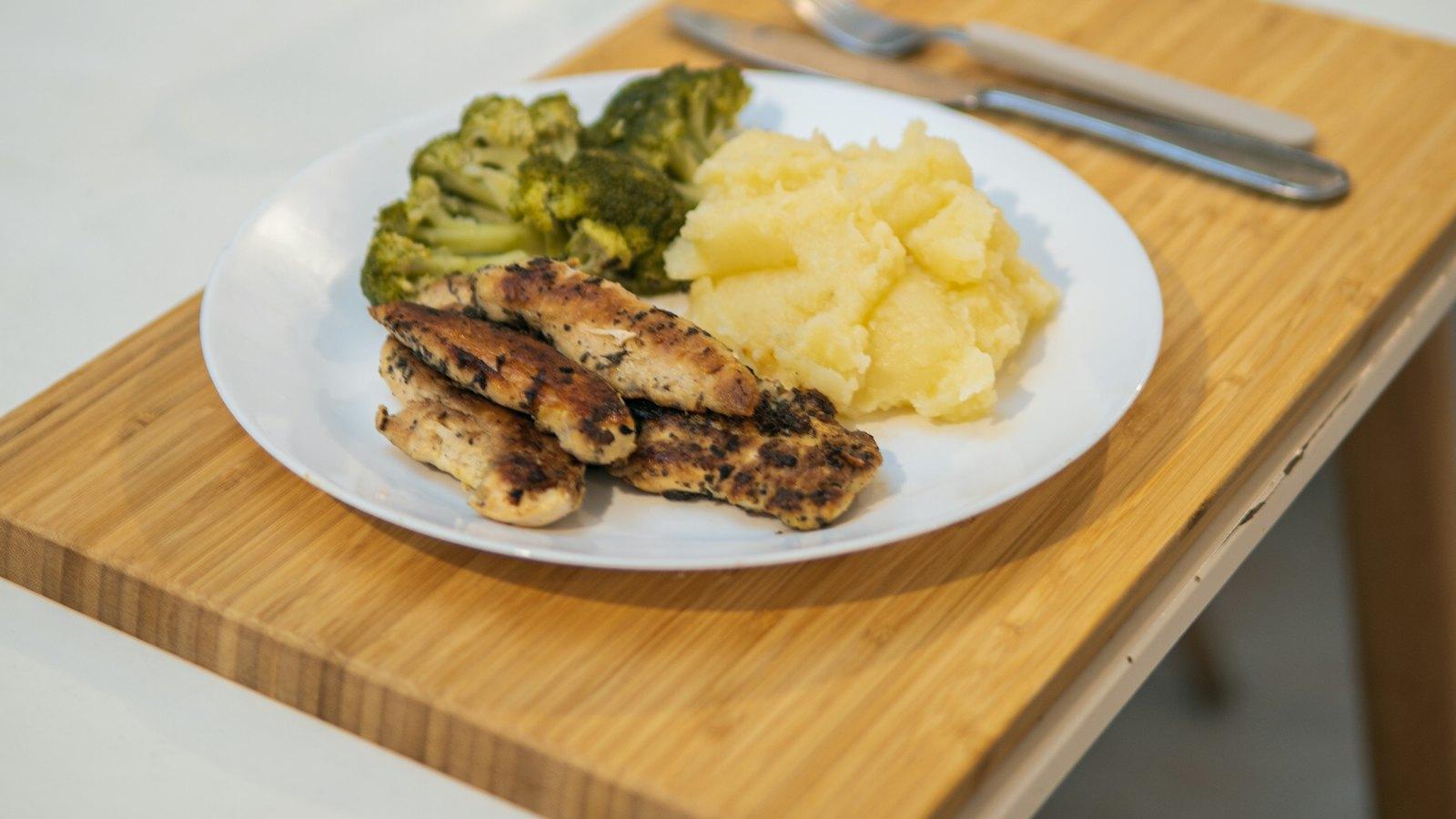
Two courses, usually soup and a main, sometimes a main and a small pudding. Two to four options, almost always one of them vegetarian. Between half past eleven and half past two, on weekdays.
The price is typically half to two thirds of what the same kitchen charges for a single main course in the evening. It is rarely printed — it goes on a board, because it changes daily.
Why it costs so much less
Three reasons, and none of them is a reduction in quality.
The choice is small. Two or three dishes in quantity can be bought and prepared differently from a menu of twenty. It is the same arithmetic described in what belongs on one menu and what does not for the evening menu, only sharpened.
Turnover is higher. A table is used two or three times at lunch and once in the evening. The same fixed costs spread across more guests.
It is a question of capacity. The kitchen is there anyway, the staff are paid anyway, the room is heated anyway. A lunch service that covers its variable costs and leaves something over works at a price that would be impossible at night.
The price has a ceiling
A lunch menu in Vienna has an understood upper limit, and houses pricing well above it barely sell one. That disciplines the costing more sharply than any evening menu does.
Why it is a good test
Because it shows how a kitchen cooks when it has to be quick. A kitchen that makes something decent at lunch out of a few ingredients can cook in the evening too. Conversely, a carelessly assembled lunch menu is a signal worth taking seriously.
And it shows the fundamentals. A soup, a braised piece of meat, a salad with a good dressing — those tell you more about a house than an elaborate evening dish. What a soup reveals about a kitchen is in Tafelspitz: beef cooked in its own soup.
Who eats at lunch
During the week, essentially two groups: people who work nearby, and people who had something to do in the morning and do not want to cook afterwards. Both are in a hurry.
At the weekend that shifts entirely. Many houses then run no lunch menu at all, because guests stay longer and order à la carte anyway.
What runs differently at lunch
It is faster, and deliberately so. Somebody on a lunch break has forty minutes, and a house that cannot manage that loses those guests. There is less conversation, ordering is quicker, and payment often happens as the food arrives.
Booking is less often necessary at lunch than in the evening, though in office districts between twelve and one it is worth it — when to book a table in Vienna goes into that.
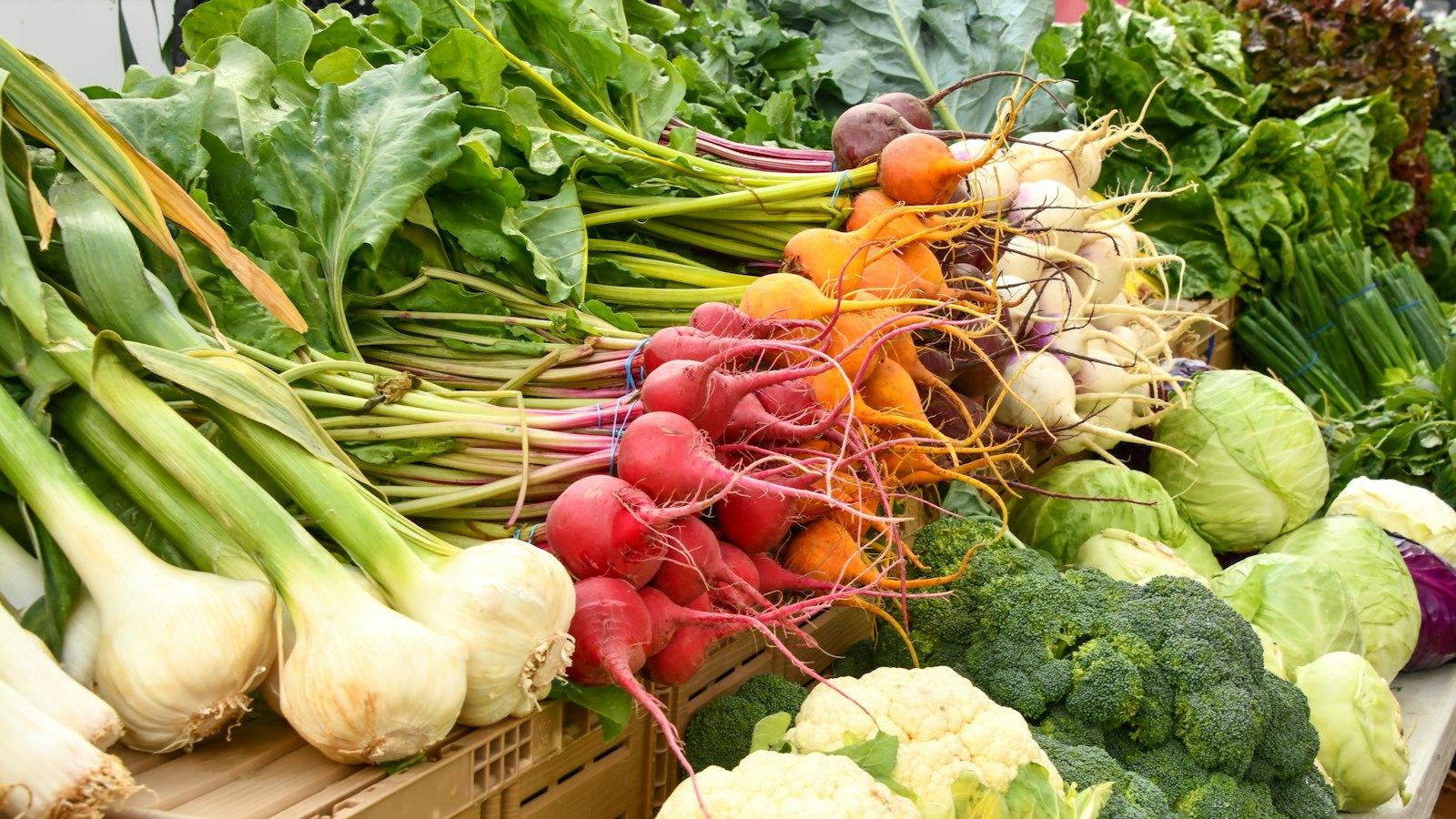
And the menu changes daily, because it follows what was bought. That is not marketing but the normal state of a kitchen working seasonally — described in cooking with the season.
How to spot a good one
Three signals before you sit down.
It is on a board rather than a laminated sheet. A board means it changes; a laminated sheet means the same thing has been cooked for months.
The soup is not a side dish out of a packet. A clear beef broth or a bound vegetable soup tells you immediately whether a kitchen makes stock — what that says about a house is in Tafelspitz: beef cooked in its own soup.
And there is a vegetarian option that is not a plate of sides. Pasta with tomato sauce does not count.
What not to expect
The full evening menu at lunch prices. Elaborate dishes that take twenty minutes rarely appear at midday, and that is not a shortcoming but the condition that makes the price possible at all.
Book a table — at lunch you usually do not need to.