"Seasonal" appears on a great many menus and rarely means anything. Meant seriously it means this: the menu changes because the market changes, and some dishes exist for eight weeks a year and then not at all for eleven months.
Spring is short and expensive
The year opens with something scarce. Asparagus gets six to eight weeks in Austria and then it is over, and for that stretch a good deal arranges itself around it. What makes asparagus season so short explains why, and how to tell a fresh spear from a tired one.
Summer belongs to the vegetables
From June to September, good vegetables barely need a kitchen. A tomato worth eating asks for salt, oil and nothing else — tomatoes that taste of something is about how to recognise them and why they do not belong in a fridge.
Then there are the herbs, abundant for these months and scarce for the rest of the year. Herbs, fresh and dried covers which to use when.
Autumn is the longest season
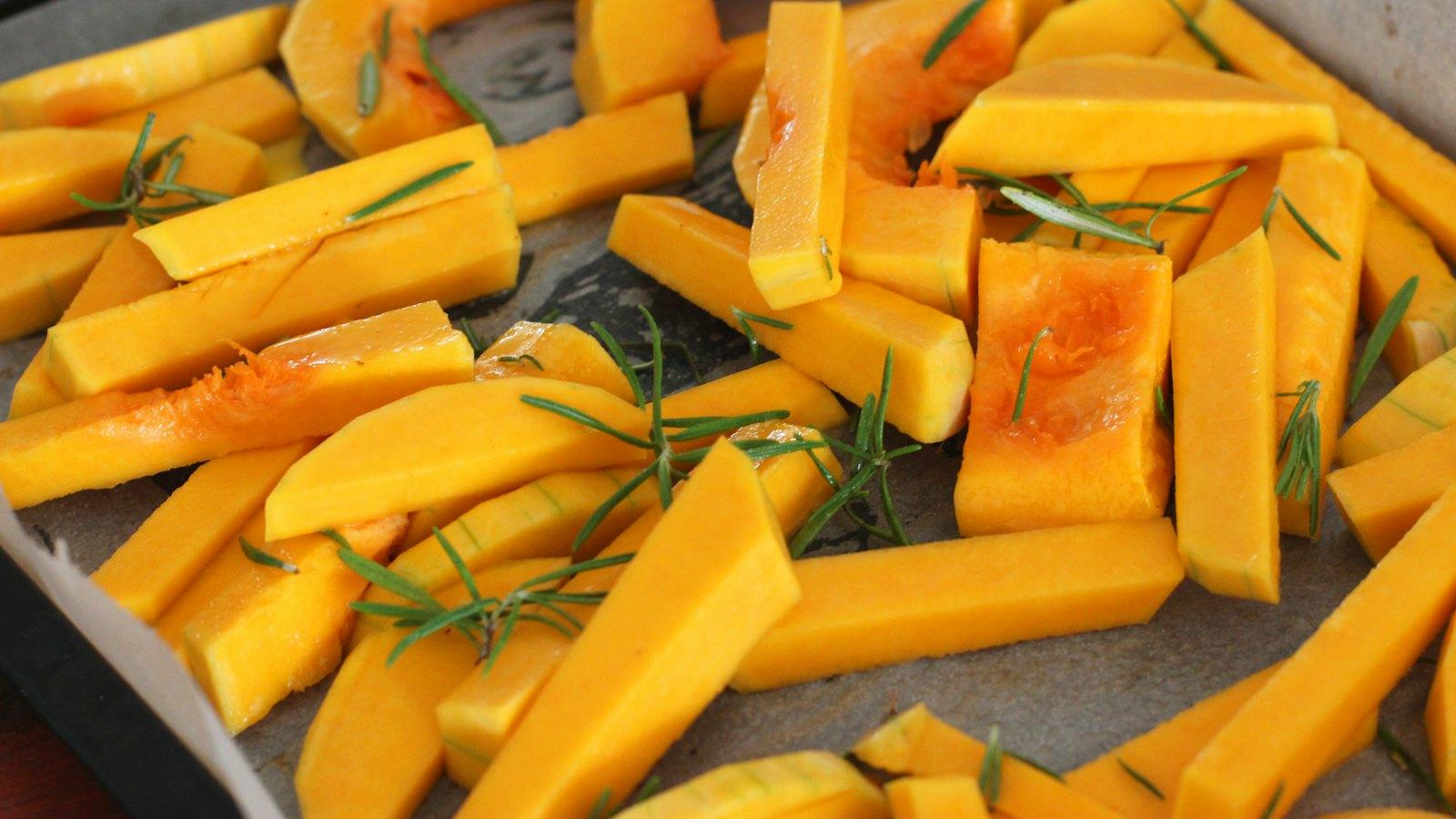
Pumpkin runs from September into December and is the most forgiving vegetable of the year — it keeps for weeks and survives every cooking method. Pumpkin is more than soup goes through the varieties actually worth cooking.
Winter is not a gap
Between December and March less grows, but not nothing. Root vegetables, cabbage and stored crops carry the months when imports would otherwise move in — what still grows in winter is the list a menu leans on then.
And what was too abundant in summer helps in February. Pickling, bottling, keeping is why a seasonal kitchen does not turn dull in winter.
Why this keeps a menu short
Follow the market and you cannot offer forty dishes that stay the same all year. That is not a restriction but the connection two kitchens, one shopping list describes from the other side.
Book a table and see what is on the board this week.