Winter is when it becomes clear whether a kitchen really works seasonally. In July it is easy. In February it means either imported produce or a shorter, rougher list.
How the year divides up is the subject of our guide to cooking with the season. This piece is about the months when less arrives.
Three groups, and that is all
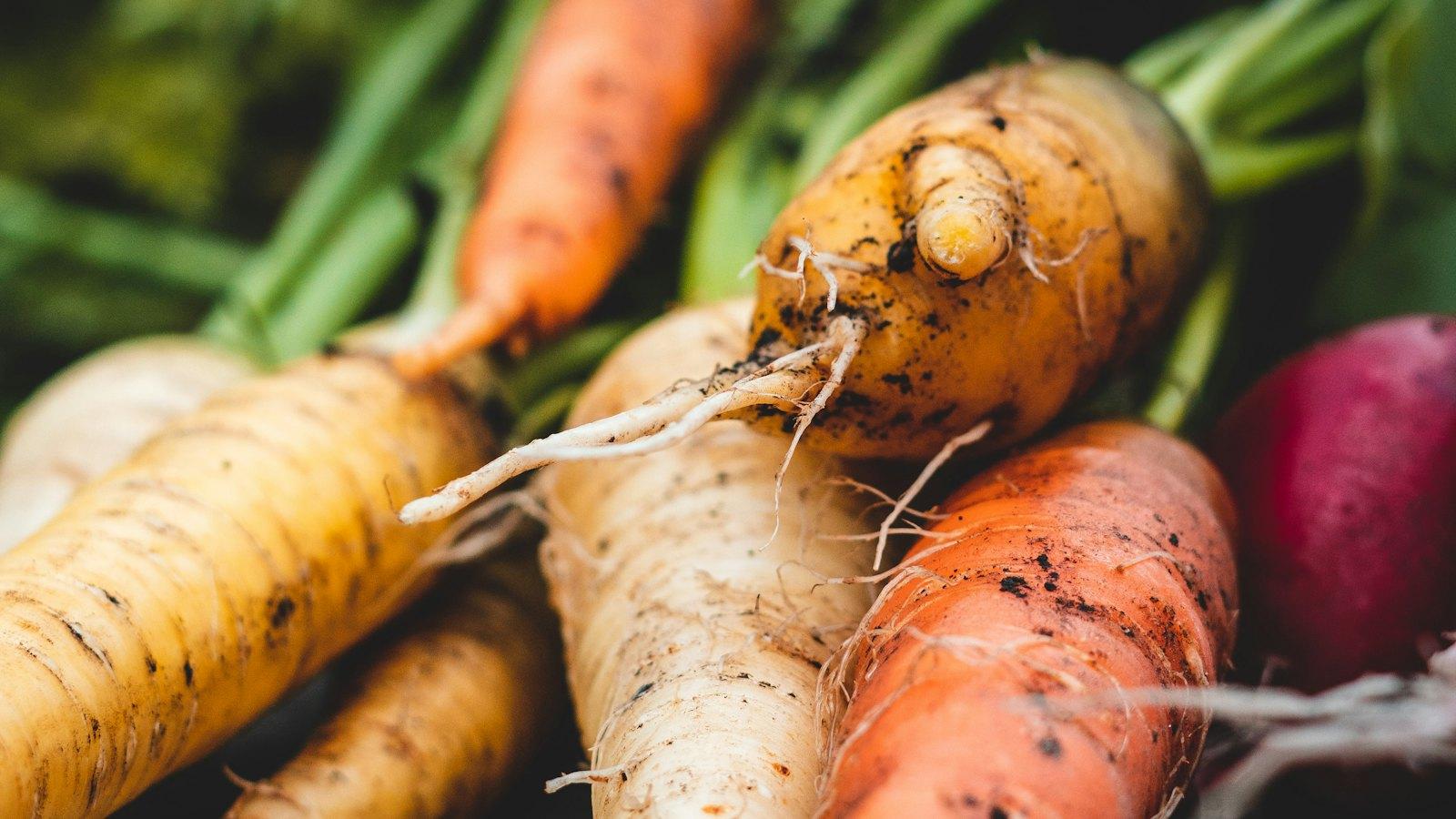
Root vegetables survive winter in the ground or in store: carrots, parsnips, parsley root, celeriac, beetroot, salsify. These are also the aromatics under every soup and every stock — a connection set out in Tafelspitz: beef cooked in its own soup.
Cabbage is the second group and the underrated one: white and red cabbage, Brussels sprouts, kale, savoy. Cabbage keeps for months in a cool cellar, and it is the vegetable that carried Austrian cooking through winter.
Stored crops are the third: potatoes, onions, pumpkin, apples. None of it grows in winter; all of it was harvested in autumn and stored properly.
Frost improves some of it
That sounds like folklore and is biochemistry. Parsnips, Brussels sprouts and kale turn sweeter after the first frost, and the reason is the plant itself: in cold weather it converts some of its starch into sugar, because sugar lowers the freezing point inside the cells and protects them from frost damage.
In practice: kale in November tastes different from kale in January, and the later one is better. The same goes for parsnips, which are earthy before a frost and noticeably sweet afterwards.
Winter vegetables want heat and fat
Most of these are high in starch and low in water, which dictates the treatment: roast rather than boil, with fat and proper heat. In an oven the sugar in carrots and parsnips caramelises into something boiled root vegetables never reach.
Cabbage is the exception, because it goes both ways. Seared fast and hot it stays crisp and nutty; braised slowly it turns soft and sweet. What it needs in either case is acidity and caraway — the reasoning is in paprika, caraway, marjoram.
Storage is what decides it
The difference between good and bad winter vegetables is rarely the field and almost always the cellar. Root vegetables want to be kept cool, dark and damp — traditionally in boxes of sand, where carrots and parsnips stay firm for months because the sand holds moisture against them.
Onions and garlic want precisely the opposite: cool, dark and dry. Kept damp, they sprout or go mouldy. And potatoes tolerate neither light nor temperatures below about four degrees — in a fridge they convert starch into sugar, turn sweetish, and brown unpleasantly fast in a pan.
It explains why winter vegetables from a market are often better than supermarket ones: not because of where they grew, but because of the weeks in between.
The gap in March
The hardest month is not January but March. The store is empty, spring has not started, and asparagus does not arrive until April. Gardeners call it the hungry gap.
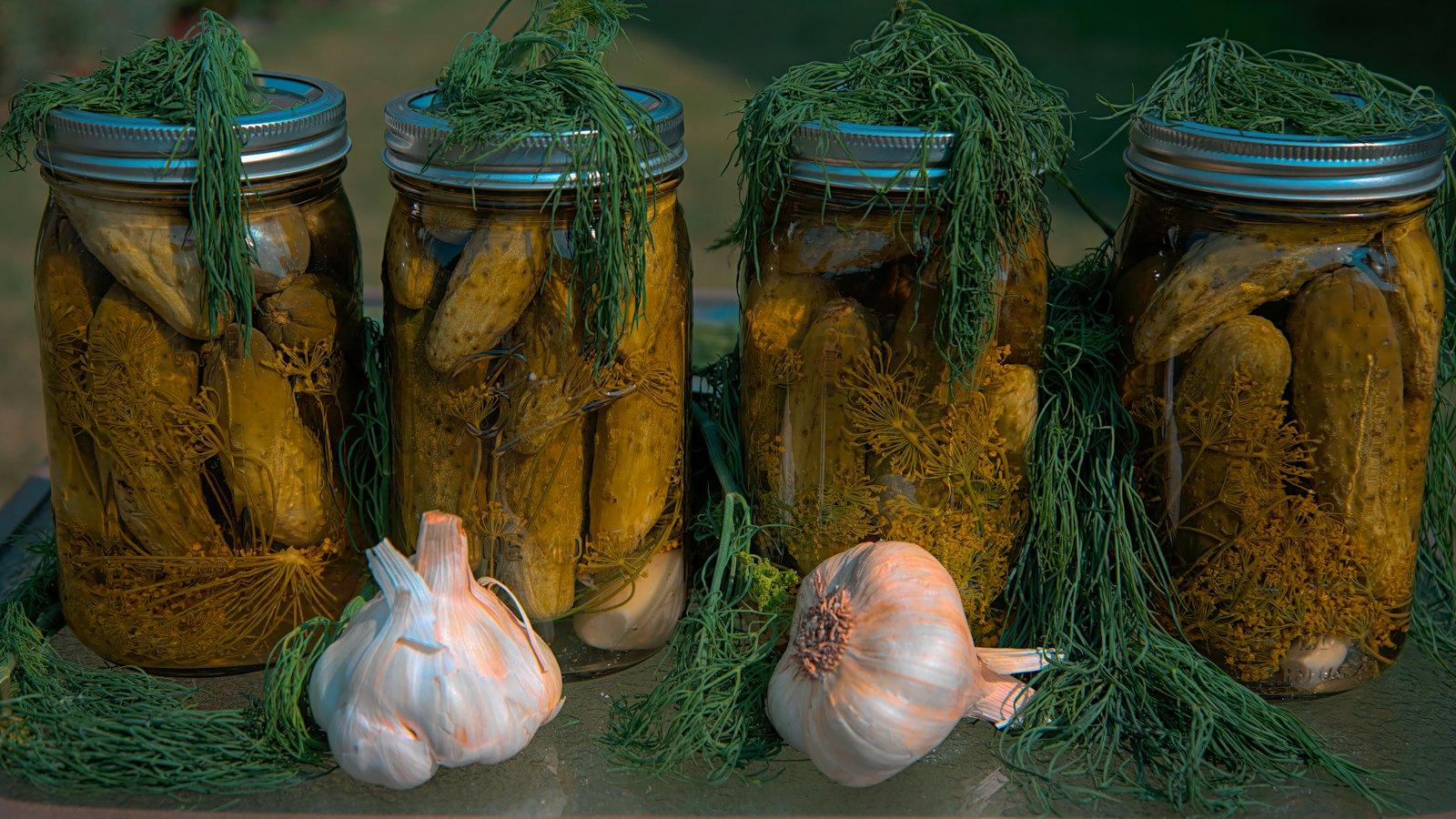
That is the point at which pickles and preserves genuinely carry a menu — and the reason more gets put up in summer than summer itself needs. How that works is in pickling, bottling, keeping.
What it means for the menu
In winter the menu does not get shorter, it shifts. More braises, more roasted vegetables, less salad. More dishes that take time, fewer that live on the freshness of a raw ingredient.
That hits the Mediterranean half of our menu harder than the Austrian half, whose classics come out of the cold season anyway. In winter our menu is noticeably more Austrian, and that is a consequence rather than a decision.
The Mediterranean side does not disappear entirely, though, and that is down to the ingredients with no season at all: olive oil, lemons, anchovies, capers, olives, hard cheese. You can season Mediterranean in February perfectly well — just not with fresh vegetables from the south. A roast parsnip with good olive oil, lemon and parsley is a Mediterranean plate made entirely of things that grew here, and it is the most useful trick the winter months offer a kitchen.
Book a table — we cook differently in January than in July.