In Vienna they are called Paradeiser, and most of them taste of nothing. That is rarely the variety's fault and rarely the grower's. It comes down to two decisions taken long before the tomato reaches a shop.
Why summer here belongs to the vegetables is in our guide to cooking with the season. This piece is about the fruit that shows seasonal cooking most plainly.
First decision: picked too early
A tomato builds its sugar and its aroma compounds on the plant. Picked green, it will still ripen in the sense of turning red and soft — but sugar production stops at the moment of picking. Colour is not evidence of ripeness, only of time passing.
This happens for an understandable reason: a ripe tomato survives neither a thousand-kilometre lorry journey nor a week on a shelf. Buy tomatoes from southern Spain in February and you are necessarily buying one that travelled green.
Second decision: the fridge
Below about 12°C two things happen. The enzymes that build the aroma compounds stop working — and they do not restart afterwards, even once the tomato is back on the counter. At the same time the cell structure changes and the fruit turns mealy.
So: tomatoes do not belong in a fridge. They sit at room temperature, stem side down, and keep three to five days that way. That is shorter than refrigerated, and it is why you do not shop for a fortnight at a time.
How to pick a good one
By smell, at the stem end. A ripe tomato smells distinctly of tomato there — grassy, almost savoury. If it smells of nothing it will taste of nothing, and no kitchen changes that afterwards.
Weight is the second clue. A good tomato is heavy for its size, because it is dense rather than watery. And it yields slightly under pressure without holding a dent.
What tells you nothing: size, and whether it is still on the vine. Vine tomatoes sell at a premium but are only better if they were picked ripe.
The variety is not really the problem
It is often claimed that heritage varieties taste better than modern ones. That is only partly true. Some varieties genuinely were bred for shelf life and transport and lost flavour doing it — but a ripe-picked ordinary tomato from a market beats an unripe heritage one every time.
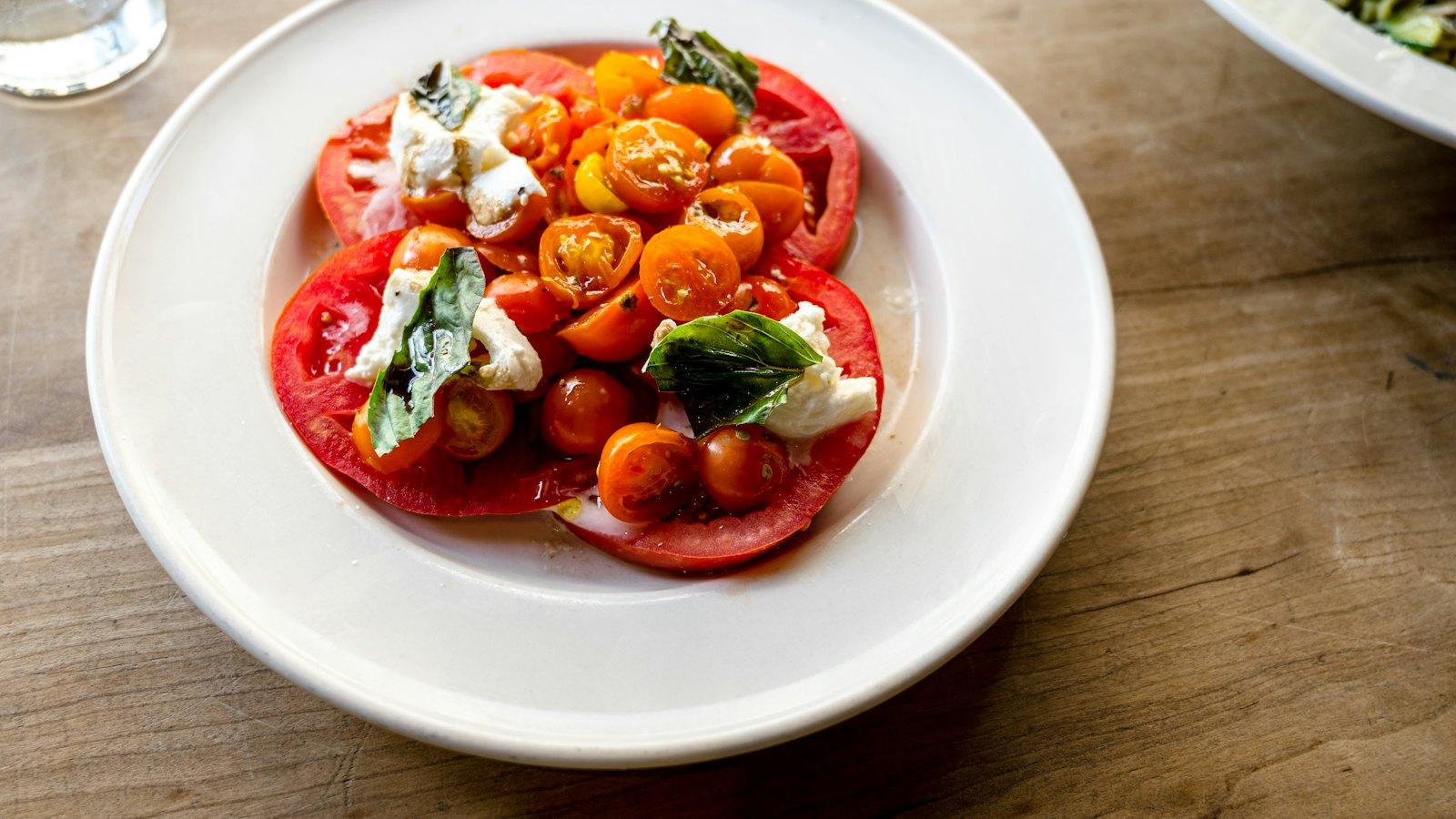
What varieties really differ in is use. Beef tomatoes have few seeds and a lot of flesh and are meant for salads and bread. Plum tomatoes have thicker walls and less water, which makes them the better sauce. Cocktail tomatoes have the highest sugar-to-acid ratio and are therefore the most reliable when in doubt, including outside the peak of the season.
What to do with a good one
As little as possible. A ripe tomato needs coarse salt, good olive oil and perhaps basil. It does not need vinegar, because it brings its own acidity, and it does not need a marinade.
Salt it ten minutes ahead: the salt draws out a little juice, which combines with the oil into something better than either alone, and which should end up on the plate rather than in the sink. Which oil that should be is covered in how to recognise good olive oil.
On toasted bread that is already a dish — and the whole question there is the bread rather than the tomato, as bruschetta is a question of bread sets out.
And in winter?
Then there are none. That is the uncomfortable consequence, and the most honest part of seasonal cooking: in February there is no tomato salad on our menu.
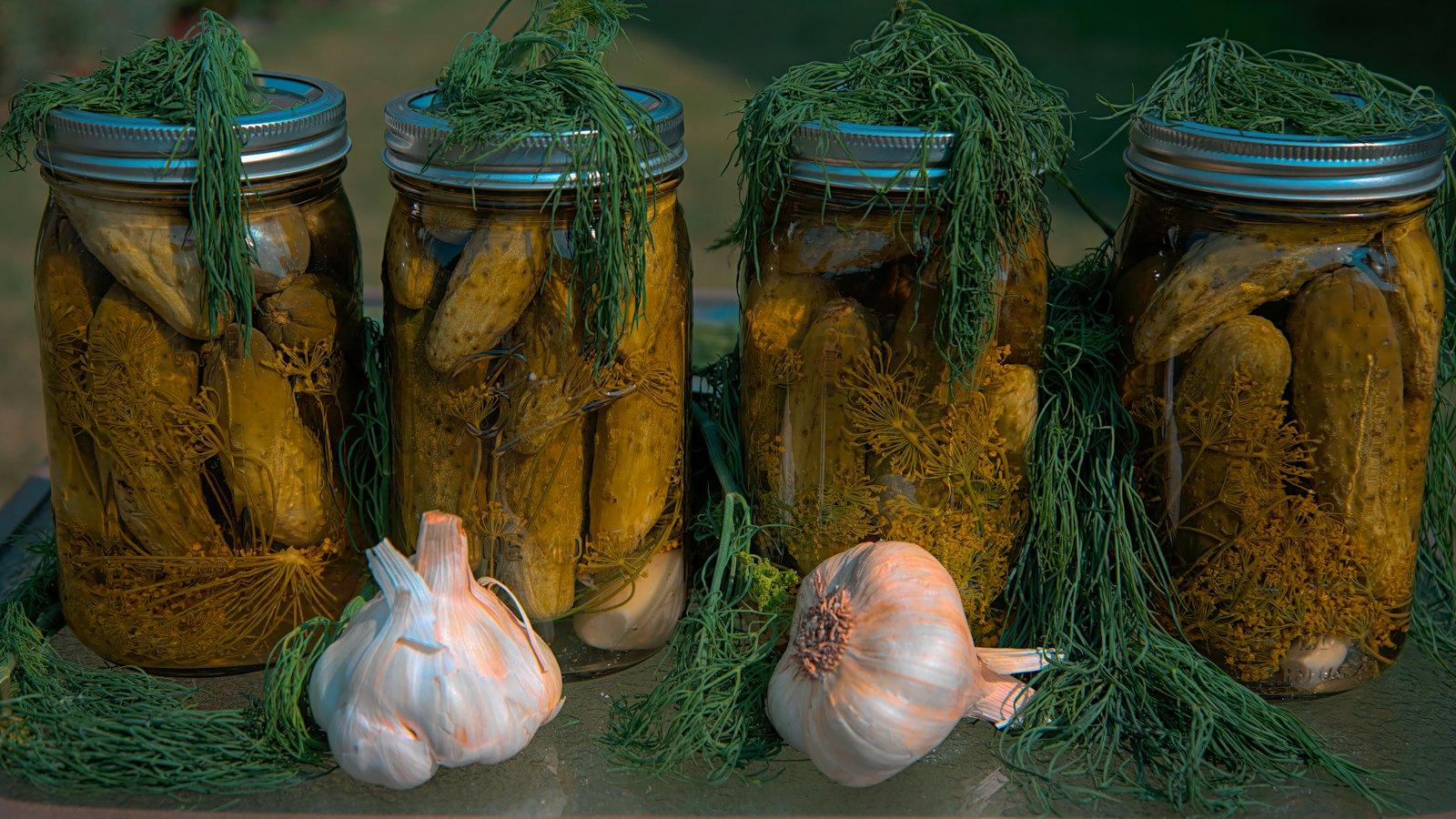
What there is instead are tomatoes bottled in summer, and for sauces and braises those beat fresh winter stock comfortably — the thinking behind that is in pickling, bottling, keeping.
The honest exception is glasshouse cocktail tomatoes. They are small enough to build their sugar even in weaker light, and if you genuinely need something red in March you do better with those than with a large beef tomato that has a thousand kilometres behind it. It is still not August, and pretending otherwise on a menu is where the dishonesty usually starts.
Book a table, ideally in August.