Good olive oil catches at the back of your throat. Anyone tasting one neat for the first time assumes something is wrong with it — it is the proof.
Why half of Mediterranean cooking hangs on this one product is in our guide to it. This piece is about how to buy it.
Bitter and peppery are the quality markers
The peppery catch comes from oleocanthal, the bitterness from oleuropein — both polyphenols, both antioxidants, and both degrading over time. An oil that is neither bitter nor peppery is either old or pressed from overripe olives.
An uncomfortable consequence follows: the mild, "smooth" oils many people prefer are the weaker ones. The sensation registering as sharpness is precisely what you are paying for.
What is a genuine fault: a rancid smell of old nuts or wax crayons, or a dull, musty note. That is oil that stood too long, or came from badly stored olives.
What counts on the label
"Extra virgin" is the baseline and says only that the oil was extracted mechanically and has low acidity. It is a floor, not a promise.
The harvest year is the most important date on the bottle and is often missing. Olive oil does not improve with age; it declines steadily from pressing. An oil from the last harvest always beats one from two years ago, and the best-before date tells you nothing about this.
An origin that names a place rather than "oils of the European Union". The second formulation means a blend from several countries, and nobody stands behind it.
A dark bottle or a tin. Light destroys polyphenols faster than anything else. Oil in a clear bottle under shop lighting is degrading before you buy it.
Two oils are sensible, three are not
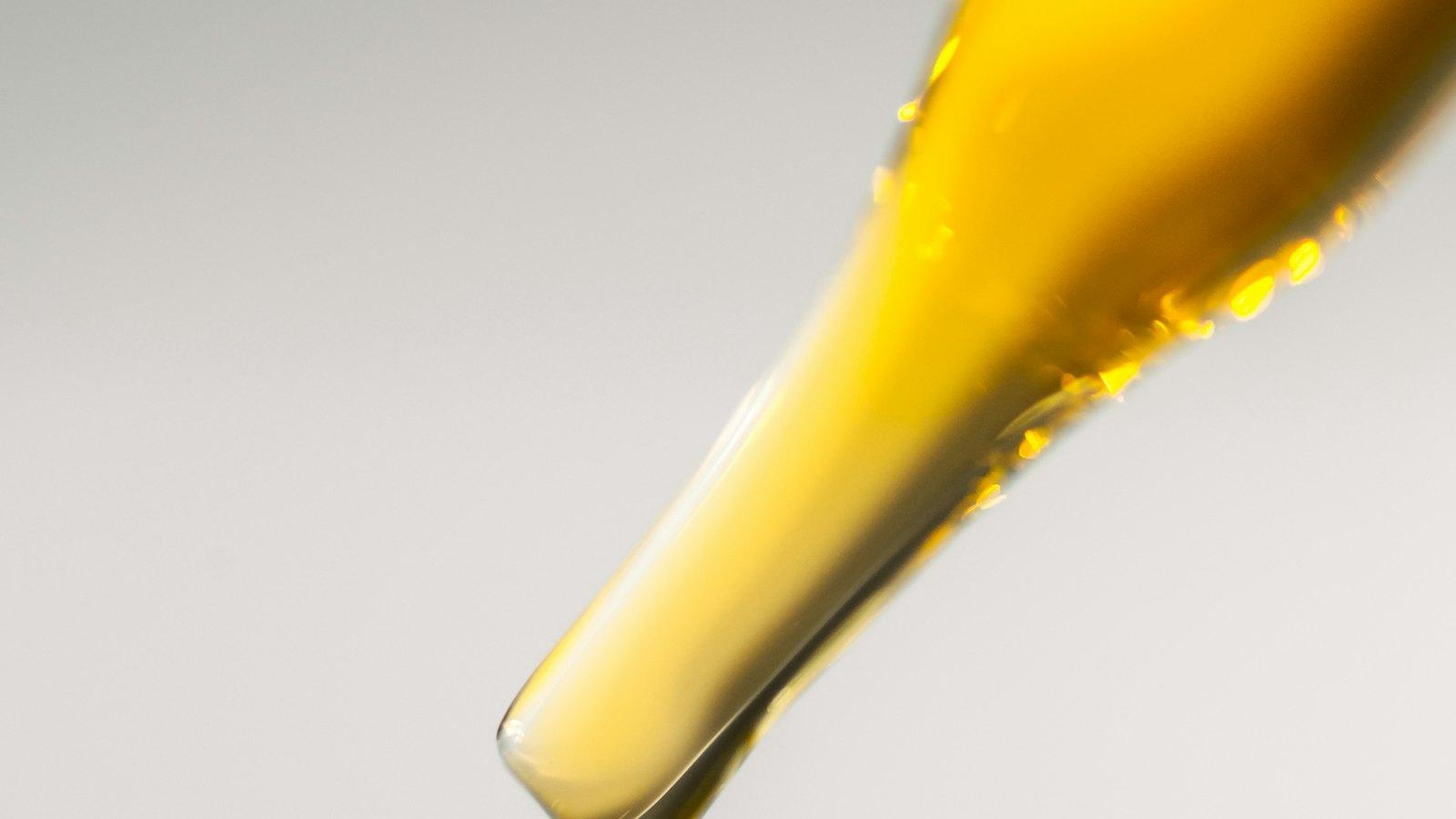
A kitchen needs two. A good, expensive, extra virgin oil for everything raw: over tomatoes, over burrata, over soup, on bread. It is never heated, because heat destroys exactly the aromas you paid for.
And a simpler, cheaper oil for frying and sweating, where the smoke point matters and the aroma does not. Pouring your best oil into a pan is burning money.
The separation is the same thinking as pumpkin seed oil, which is also never heated — covered in pumpkin is more than soup.
How to taste it
No expertise is required. A spoonful of oil, warmed in the mouth, then draw air in over it through parted lips — that spreads the volatile aromas, and it is why tasters slurp.
Three things arrive in order. First the smell: cut grass, green tomato, artichoke, sometimes almond. Then the taste across the palate. And last, after a few seconds, the peppery catch at the back of the throat — it always comes last, and if it never comes, the oil is missing the essential part.
Taste two oils side by side and the difference is immediate. Taste one alone and you notice almost nothing — which is why a comparison is worth more than any description on a label.
How to store it
Dark, cool, closed — and not next to the hob, which is where most people keep it. An opened bottle should be empty within two or three months.
So do not buy five-litre tins unless you genuinely get through them. A litre used in six weeks beats five litres standing for a year.
Cloudiness in the cold is not a fault. Below about seven degrees olive oil turns hazy and eventually semi-solid, and it clears again at room temperature with nothing lost. It is a sign the oil was not heavily filtered rather than a sign of anything wrong.
Where you taste it
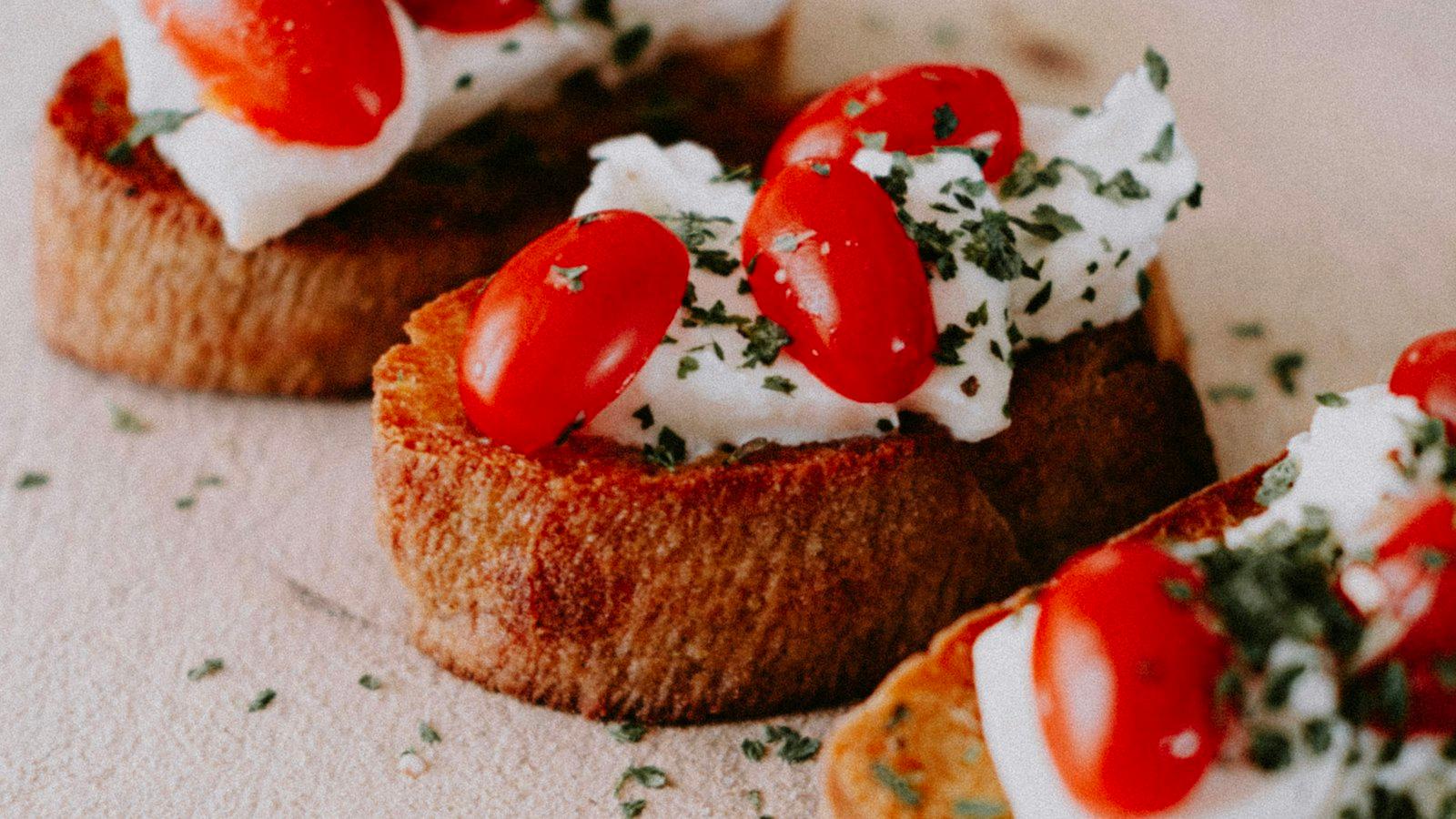
Most clearly wherever almost nothing else is happening: on a ripe tomato with coarse salt, or on toasted bread. That is exactly why a bruschetta is a good test of a kitchen — bruschetta is a question of bread takes on the second half of it.
And on fresh cheese, which is mild by nature and needs a assertive oil for anything to happen at all — burrata, mozzarella, stracciatella goes into that.
Book a table — what arrives on the bread is not an accident.