On a map every restaurant looks the same. In Vienna the labels mean something quite precise, and knowing them tells you in advance what to expect — the cooking, the hour and the bill.
What else is worth knowing is in our guide to eating out in Vienna.
The Beisl
The most Viennese word on this list and the hardest to translate. A Beisl is a small, usually old pub with a kitchen — wood-panelled, loud, unpretentious, often with a landlady who knows every regular.
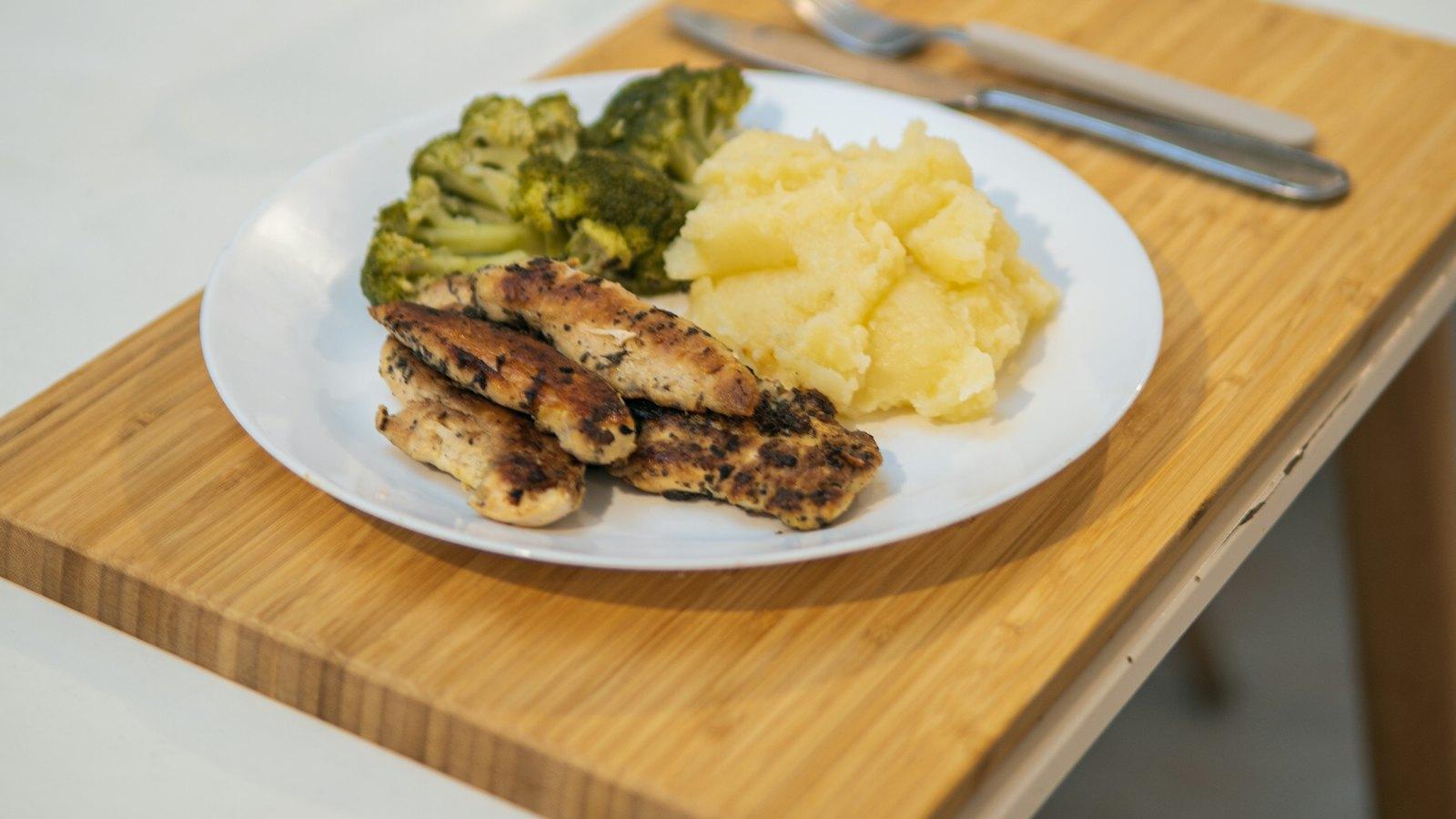
The cooking is classically Austrian and cheap: schnitzel, goulash, Leberkäse, blood sausage. No set menu, no booking, no explanations on the card. You walk in, sit wherever there is room, and order from whoever comes past.
The word probably comes from Yiddish (bajis, house), and the classic Beisln of the city are a piece of Vienna that is slowly thinning out.
The Wirtshaus and the Gasthaus
Larger than a Beisl, usually with a garden, and more often outside the centre. The cooking runs in the same direction but the portions are bigger and the menu longer. A Wirtshaus often has a back room for parties and is where family celebrations happen in Vienna.
A Gasthaus is essentially the same thing; historically it also let rooms.
The standing variant
A marginal form that still exists: the Würstelstand principle, standing, no table. Käsekrainer, mustard, a beer. At three in the morning it is often the only thing open.
The bistro
The newest term, borrowed from French and by now established in Vienna: small, open kitchen, shorter menu, often international or mixed. A bistro cooks to order rather than out of a large pot, which shows in the waiting time and in a menu that changes.
We are one, and that mostly means: a short menu, cooked when it is ordered. Why that forces a menu to be shorter is in what belongs on one menu and what does not.
The Konditorei
A seventh category that fits none of the others: a house that makes its own pastries and serves them with coffee. The difference from a coffee house is provenance — the bakery is on the premises, and the range is larger and shifts with the season.
The Kaffeehaus
A category of its own, only marginally to do with eating. You go in, order a coffee and stay as long as you like — that is not a figure of speech but the actual arrangement. There are small dishes and pastries, but the reason to sit there is not the food.
That gets covered properly in our guide to breakfast and the coffee house.
The Heuriger
Not a restaurant in the usual sense but a Buschenschank: a grower serves their own wine, the food is cold and comes from a buffet, and it opens only in certain weeks of the year. Why that is regulated the way it is appears in the wine regions, briefly.
Nearly all of them have outdoor seating
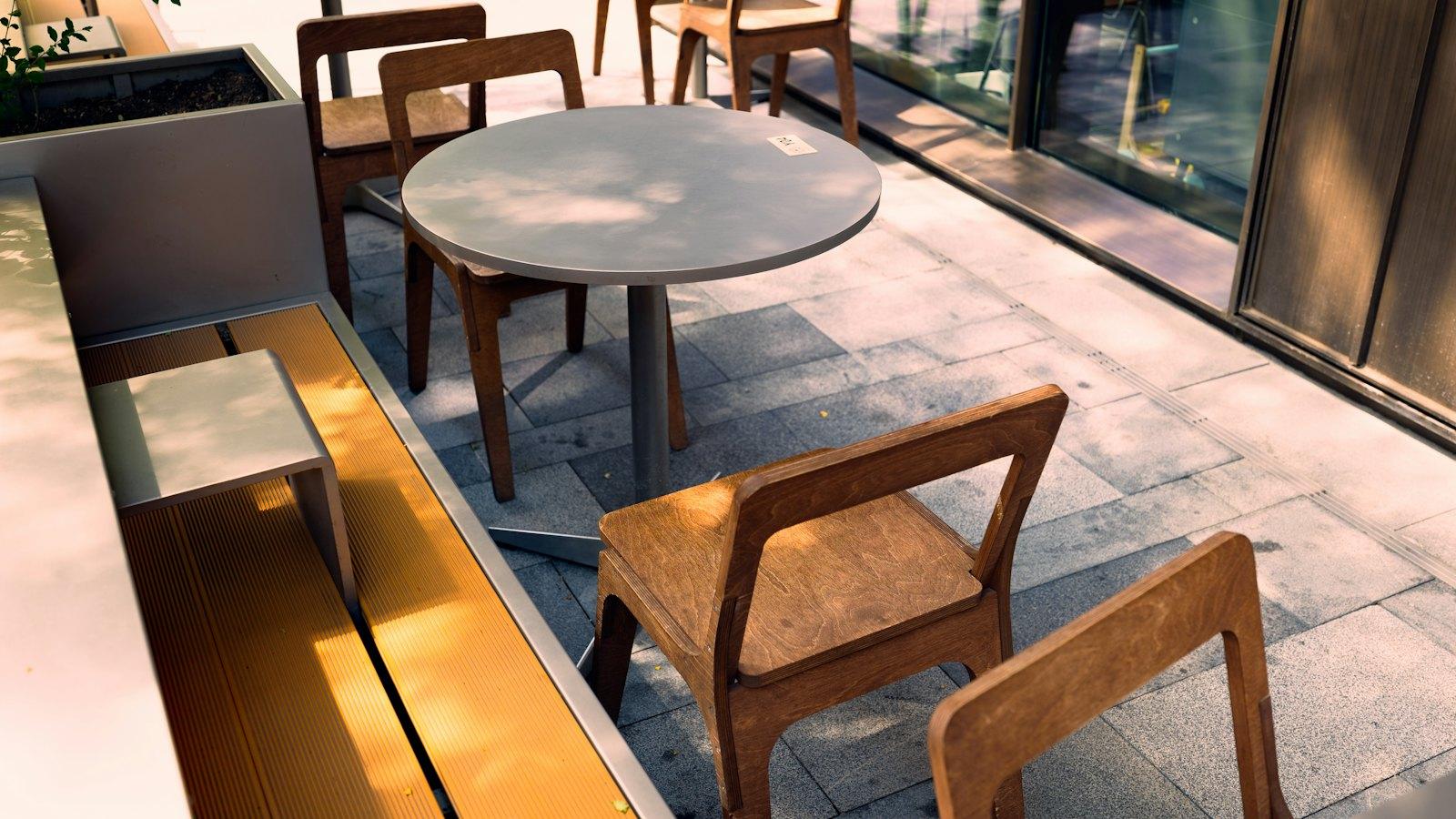
What unites these kinds of place is the space outside. From a Wirtshaus with a courtyard under chestnut trees to a bistro with four tables on the pavement, practically every house in Vienna has an outdoor area, and from March to November the action moves there.
That is not a detail but a thirty to fifty per cent change in a house's capacity. A place that works without booking in July can be full in January despite fewer people coming — simply because half the seats have gone.
How it is regulated and what runs differently outside is in the Schanigarten.
How you notice the difference
By three things, before you have read the menu.
The price: a Beisl schnitzel costs considerably less than a bistro one, and both are fair — the arithmetic behind them is different.
The hour: Beisln and Wirtshäuser are often open at lunchtime and close the kitchen earlier than visitors from southern countries expect. Vienna eats dinner at seven, not at nine.
And the menu: a long printed card with forty dishes belongs to a Wirtshaus. A short one that changes belongs to a bistro.
Book a table — the bistro model is the one we run on.