A Viennese breakfast is not a buffet and not a choice from twenty items but a setting: a fixed arrangement that looks much the same on every menu and has barely changed in decades.
What else belongs to the morning is in our guide to breakfast and the coffee house.
The small breakfast
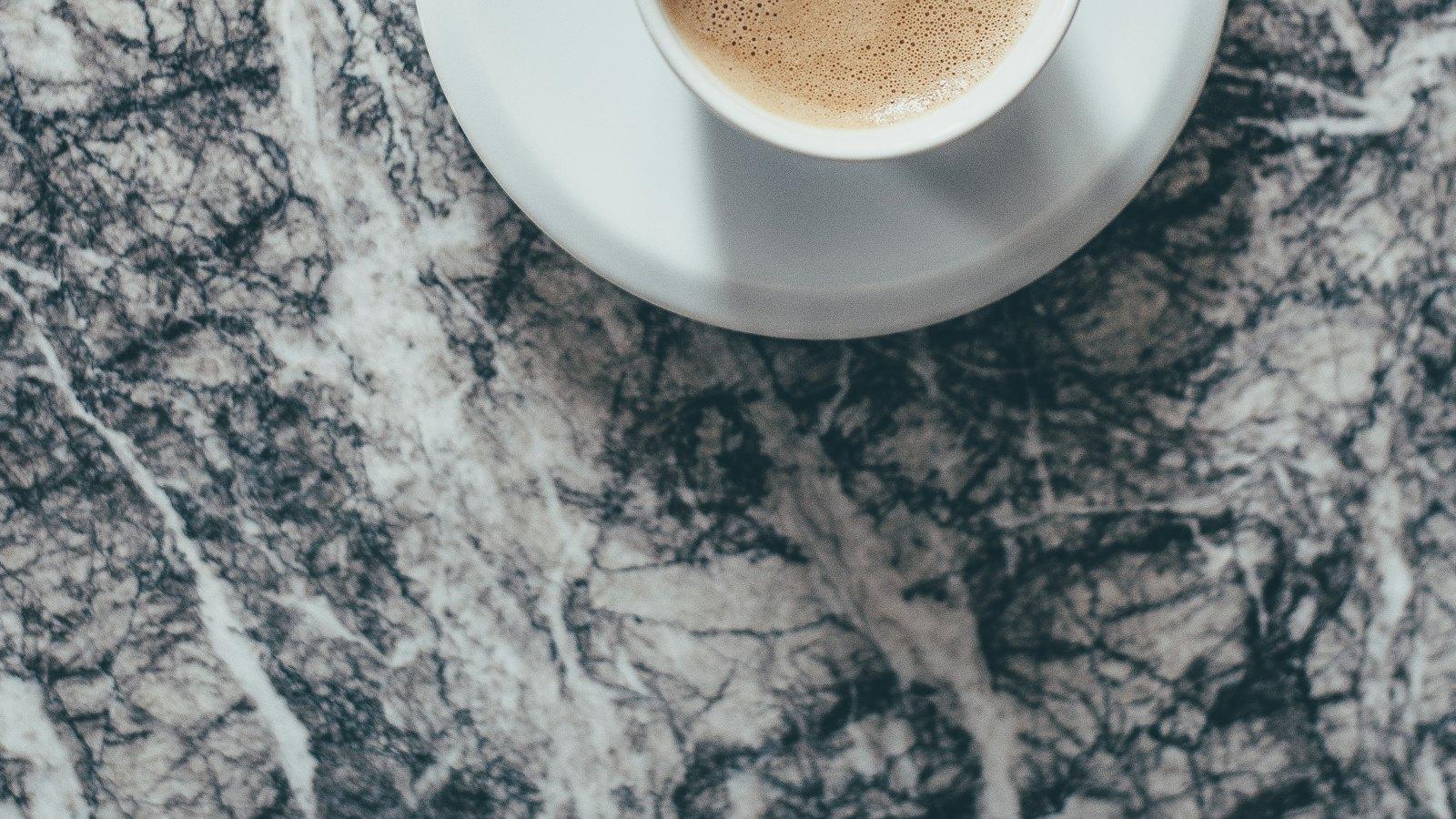
The basic form, and it consists of four things: bread, butter, jam and a coffee. Plus the obligatory glass of water.
That is not much, and deliberately so. Viennese breakfast is not the main meal of the day but the reason to sit down for three quarters of an hour. The eating happens at lunch.
The butter and the jam
Both arrive portioned, and in good houses neither is spooned out of a catering tub. Apricot jam is the standard, because the apricot is the fruit Austria preserves.
The large breakfast
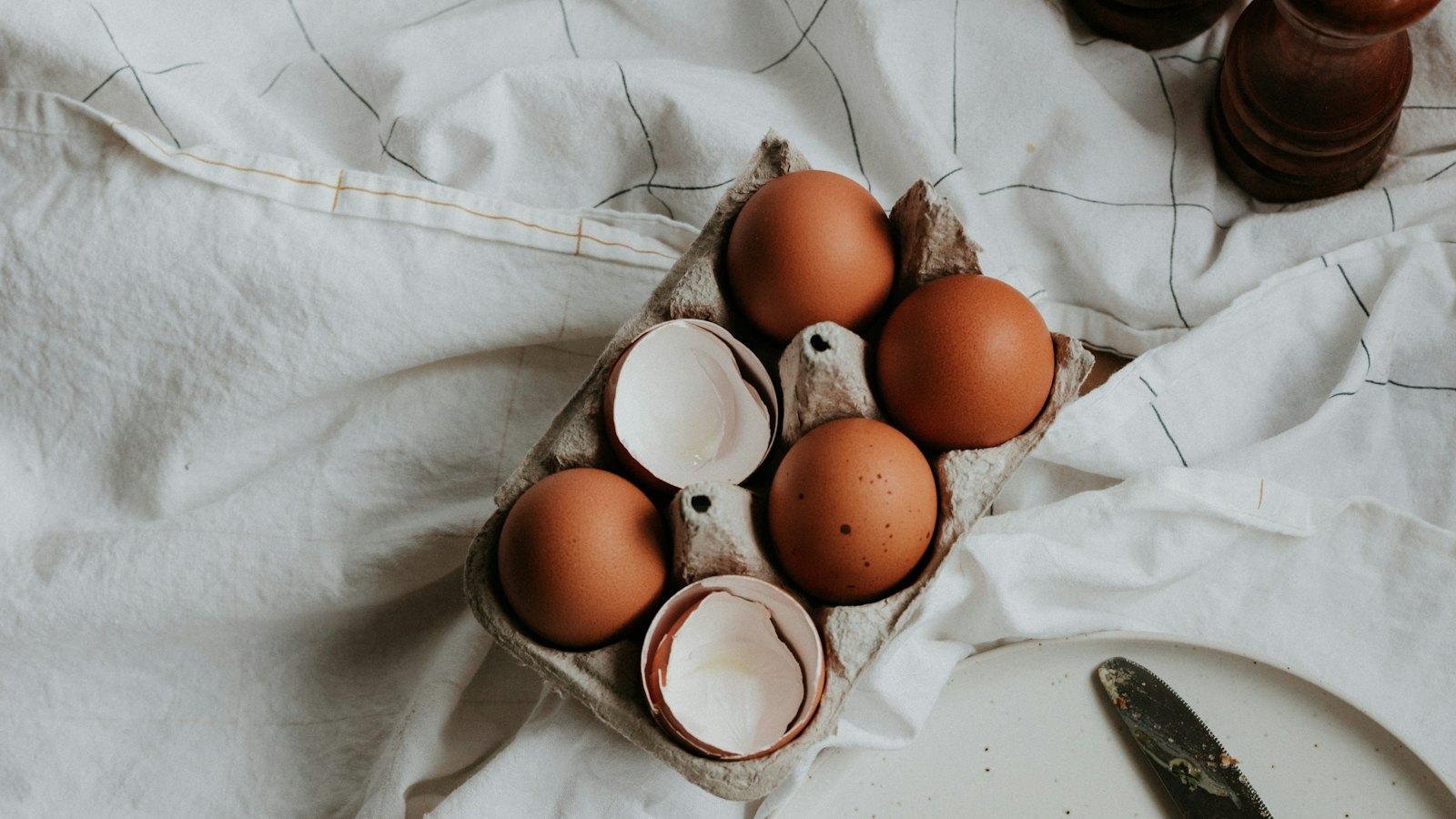
The same base plus an egg and something savoury: ham, cheese, sometimes both. The egg is not meant as optional but as the part where the quality of a house shows — eggs, done properly covers why.
Many menus add a small juice or a plate of fruit. What does not belong are mountains of cold cuts: a Viennese breakfast is considerably smaller than a German one and many times smaller than a Turkish one.
It is not shared
Unlike a brunch, each person gets their own setting. Breakfast is designed as a portion rather than as a spread in the middle of the table.
The named variants
The Kaisersemmel breakfast, or "Wiener Frühstück", is the basic form described above with a Semmel.
The Fiaker breakfast is the savoury version: goulash soup or sausages, a half-litre of beer or a schnapps, and bread. It comes out of night work and is more a late ending than an early start.
The champagne breakfast is the elevated weekend variant and now belongs more to the brunch end of things — weekend brunch goes into that.
The bread is not interchangeable
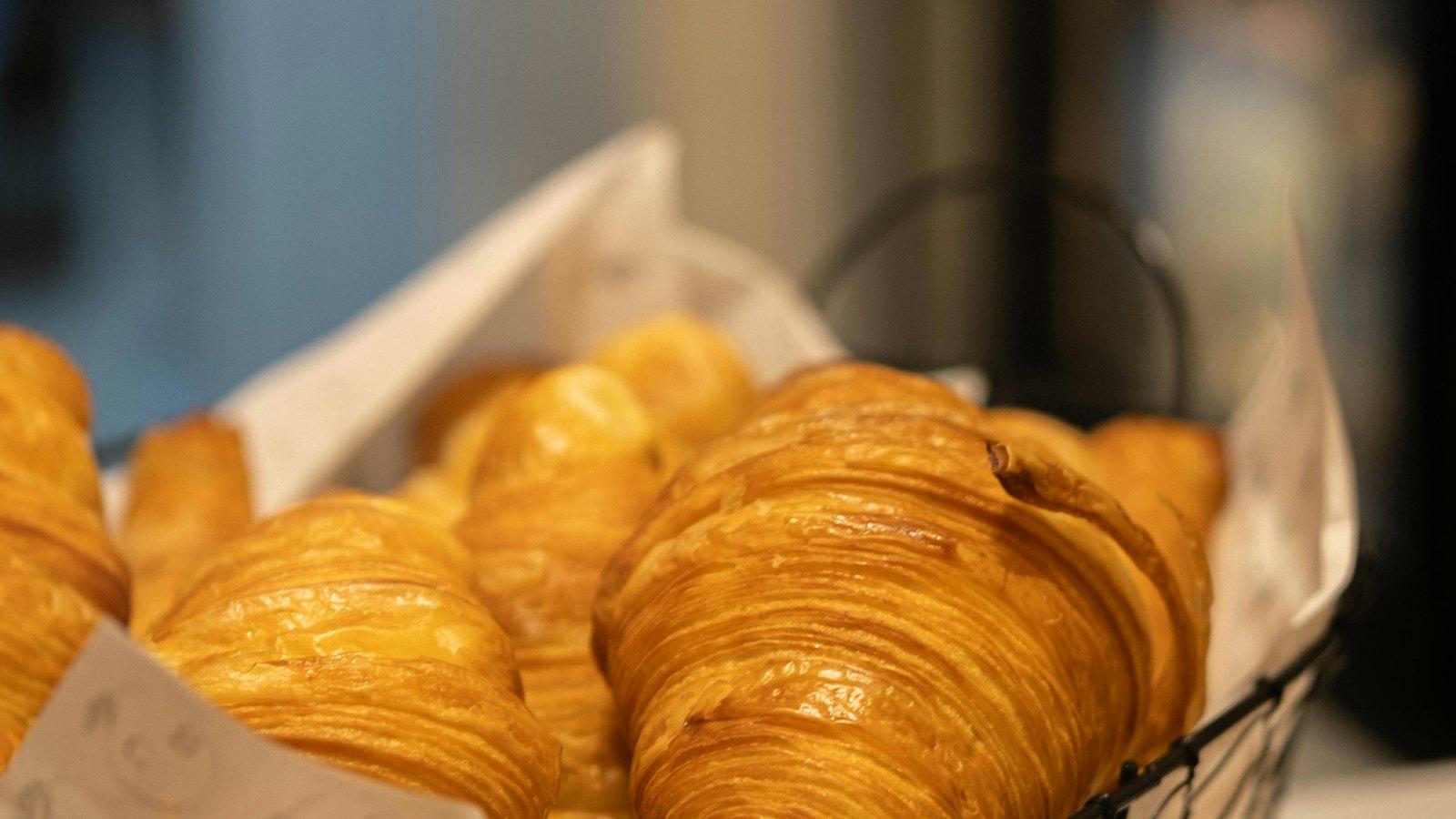
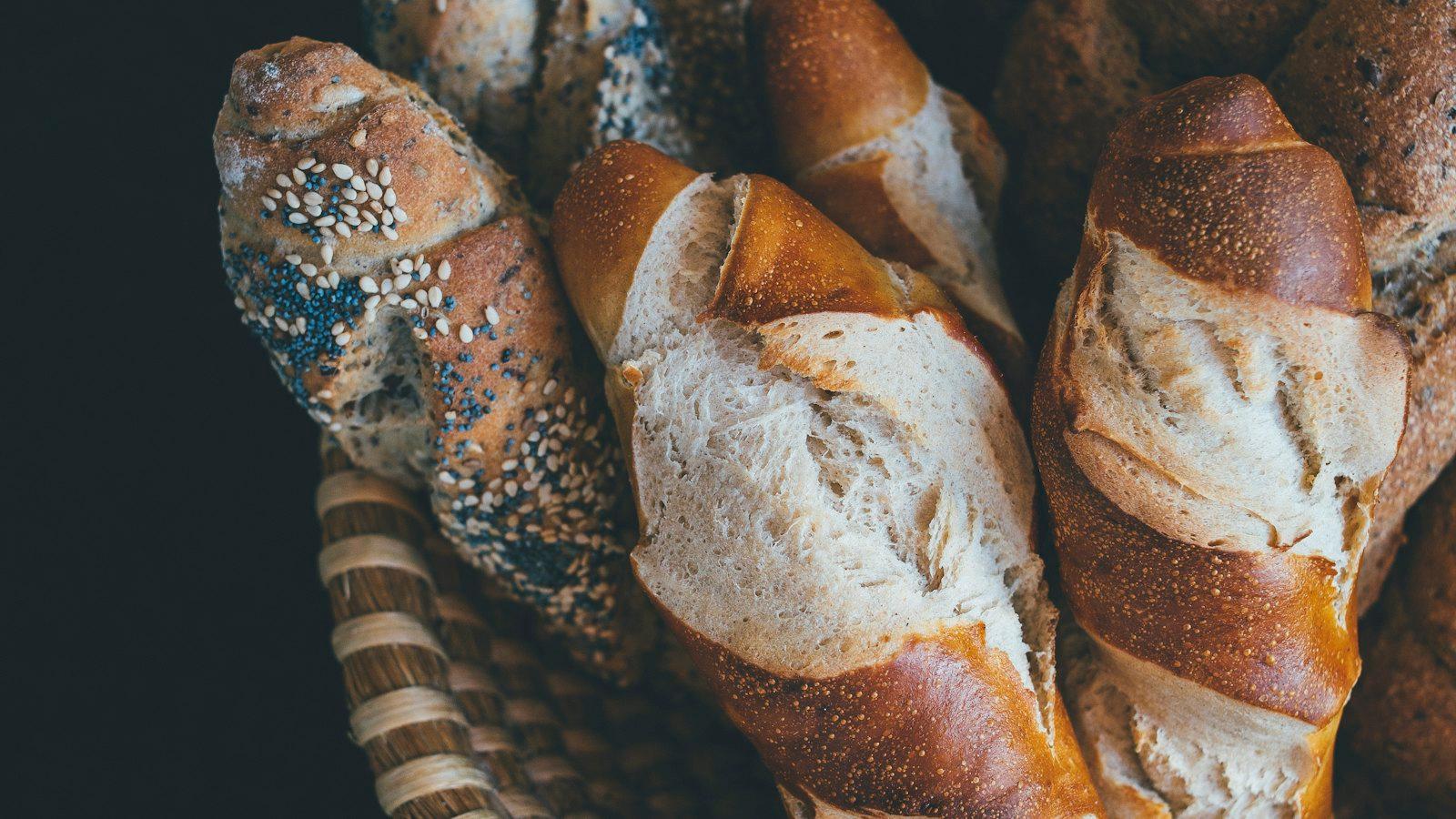
Breakfast means a Semmel, not toast, and alongside it a Kipferl. Both have their own shape and their own name in Austria, and the difference from German baking is larger than people expect — bread and pastry sorts out the terms.
The butter arrives chilled, in a piece or a wrapped portion, not spread. The jam is usually apricot, because that is the standard jam in Austria — the same fruit that fills the classic dumplings.
What to drink with it
Coffee, in whichever form you choose — the range is in ordering coffee in Vienna. Plus the glass of water, unasked.
Freshly squeezed juice is common now but was long not part of the format. And tea is the distinctly weaker department in Vienna: anyone who wants good tea is better off asking than relying on the menu.
When breakfast happens
Coffee houses generally serve breakfast until eleven or twelve, many now all day. At the weekend everything shifts an hour or two later, and between ten and one the good places are full.
During the week it is quieter, and that is the better moment if you actually intend to stay — which a coffee house explicitly permits, as the unwritten rules of the coffee house describes.
The Jause is the counterpart
At the other end of the day sits a second Austrian term: the Jause. It means a cold snack in the afternoon, and it is composed almost like breakfast — bread, cold cuts, cheese, pickled vegetables.
The Brettljause is the large version, served on a wooden board, and it belongs classically to a Heuriger. Speck, dripping, Verhackert, horseradish, pickled gherkins and dark bread.
That the pickles are not decoration but the source of acidity is the same principle as on any hot plate — described in pickling, bottling, keeping.
What makes a good one
Not the quantity but three things: the bread is fresh and from a baker rather than reheated. The butter is good and not ice cold. And the egg is the way it was ordered.
With a setting of four components, every one of them shows — the same arithmetic as any dish with few parts, described in what makes a classic a classic.
Book a table; at the weekend, earlier is better.