Brunch is comparatively young in Vienna. The classic coffee house does not know the format — there is breakfast there, and it runs all day. What now gets called brunch is a mixture of the two and has only established itself over the last couple of decades.
How the morning otherwise works here is in our guide to breakfast and the coffee house.
What separates it from breakfast
Three things, all of them practical.
The hour. Brunch starts between ten and eleven and runs to two or three. It therefore replaces two meals rather than one, which explains the portion sizes.
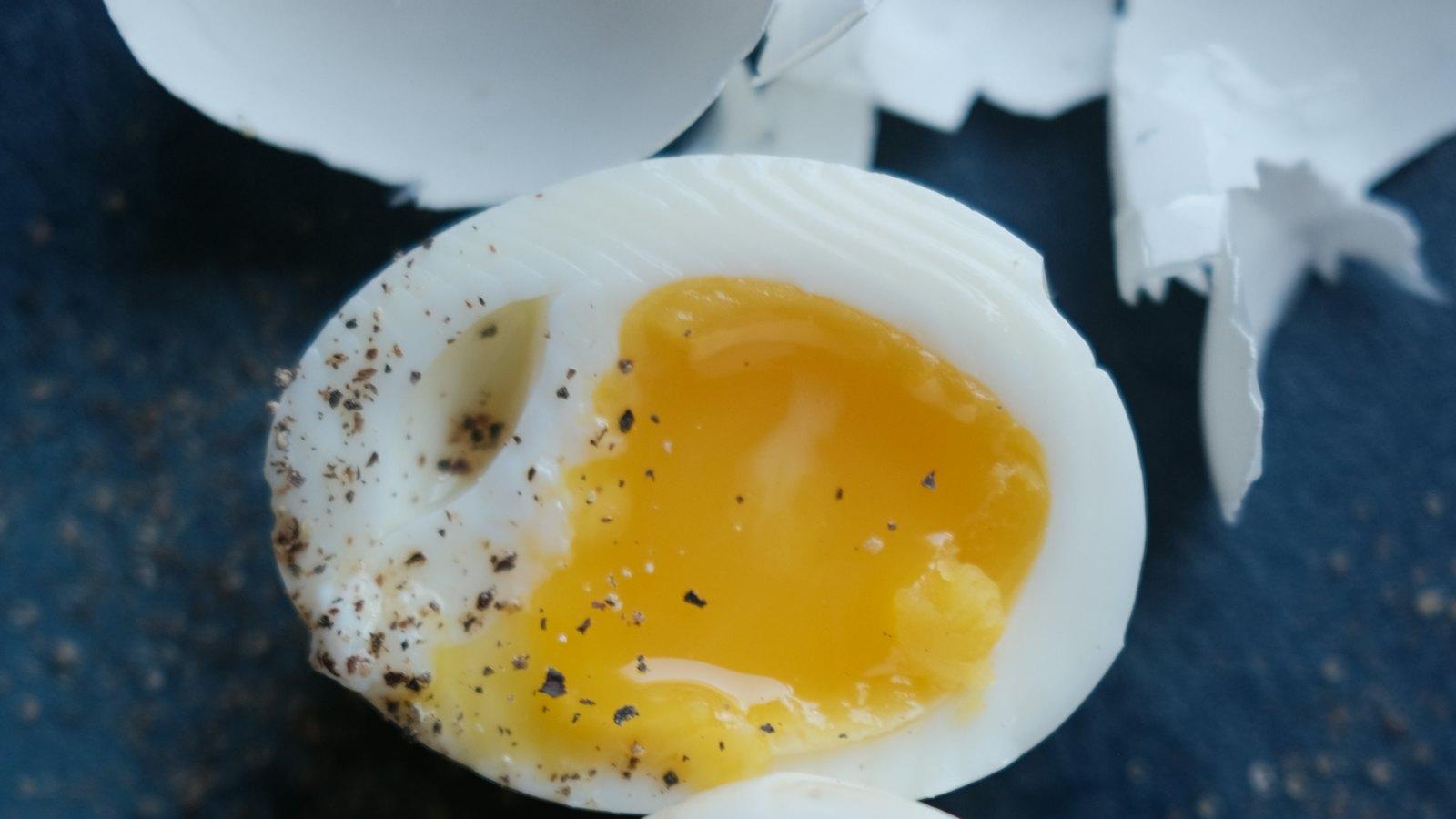
The hot dishes. A Viennese breakfast is cold apart from the egg — described in what belongs on a Viennese breakfast. A brunch has a hot component: scrambled eggs, shakshuka, pancakes, sometimes something braised from the night before.
The occasion. Breakfast is eaten alone or in twos; brunch is a format for groups. That changes how the house runs considerably.
It is a group format
Brunch is what people in Vienna organise when they want to see several friends at once. That shows in the table sizes and in how long a booking runs.
Buffet or à la carte
Both exist, and they are not equivalent.
A buffet works financially with a lot of guests and offers choice, but everything stands and waits. Scrambled eggs from a warming tray are a different dish after twenty minutes — why eggs in particular cannot take that is in eggs, done properly.
À la carte is cooked when ordered. It takes longer and costs more, and it is the form that suits a kitchen already working that way — the same argument as in risotto does not stir itself.
A middle form that works well: a shared setting for the table, bread and cold things in the middle, and the hot plates ordered individually. How sharing works generally is in sharing, or not.
When it starts
Ten is early for a Viennese brunch, eleven is normal, and twelve is by no means late. Many houses serve until three, and the kitchen then closes until the evening service.
Arrive at half past two and you will still get something — but the choice is smaller, and it is the moment when clearing starts.
The drinking is different
The difference from breakfast is alcohol, in light form. A spritz, a glass of sparkling, occasionally a beer. All of it is entirely unremarkable in the morning in Vienna, as long as it stays at one.
Why a light, bitter aperitif works better at that hour than something sweet is in what an aperitif has to do.
Booking is not optional this time
At breakfast during the week you rarely need a table. At the weekend between eleven and one it is the reverse: that is the busiest hour of the week in small houses in Vienna, and without a booking you often get nothing.
The rules are the same as for the evening and are in when to book a table in Vienna. For larger groups, add: tell them beforehand.
With children
Weekend mornings are when most families in Vienna eat out, and good houses plan for it: high chairs, somewhere to change a baby, small portions without a separate children's menu.
What helps is coming early. Between ten and half past it is quieter, service has more time, and by half eleven, when it fills, you are already on the coffee.
How long a table stays
This is where brunch and the coffee house part company. A brunch table stays a long time — two hours is normal — and a house that manages only one sitting between eleven and two is working to different arithmetic than in the evening.
So brunch comes with time slots more often than dinner does. Being told the table runs until one is the same information as at an evening booking, described in when to book a table in Vienna.
What makes it Viennese
That it brought the coffee house principle along. You stay seated, a coffee follows the food, and nobody clears the table while the conversation is still going. A brunch that is over in forty-five minutes is normal elsewhere and a disappointment here.
Book a table — at the weekend, genuinely in advance.